Alphabet

Phonics

Literacy

Math

Centers

Fine Motor
and Crafts

Teacher
Tips

Author name: sabrini025

5 Techniques to Enhance Autism Student Focus in Learning

This post may contain affiliate links which means I may receive a commission for purchases made through links. I will only recommend products that I have personally used! Learn more on my Private Policy page. Autism can present unique challenges for students in the classroom setting, including difficulty with focus. This can lead to increased anxiety and frustration for both the student and the educator. Fortunately, there are strategies that educators can use to help autism students focus on learning. In this blog post, we will discuss five techniques that can be used to enhance autism student focus in learning. 1) Understand Autism Spectrum Disorder As a teacher, it’s important to have a deep understanding of Autism Spectrum Disorder (ASD) to effectively help students with autism. It’s a neurological condition that affects a person’s social interactions, communication skills, and behavior. People with ASD may have difficulties with sensory processing, which can cause distractions and make it challenging for them to focus on learning. It’s crucial for teachers to create a comfortable and accepting environment that promotes successful learning. Additionally, it’s important to understand the unique strengths and challenges of each individual student with autism. They may have exceptional memory, be highly skilled in visual or auditory processing, or have difficulties with fine motor skills or social communication. In understanding the different aspects of ASD, teachers can better develop strategies to help their students stay focused and engaged in their learning. Some effective strategies may include providing clear instructions, simplifying complex concepts, using visual aids, and breaking down tasks into smaller, manageable steps. Ultimately, understanding autism spectrum disorder is the first step in creating an effective learning environment for all students. 2) Provide Structure and Consistency One of the most important strategies for helping students with autism maintain focus in the classroom is to provide structure and consistency. Students with autism thrive in environments where they can predict what will happen next, so it’s important for the teacher to establish a clear routine and stick to it as much as possible. To provide structure and consistency in the classroom, the teacher can: 1. Establish a daily routine that includes specific times for each subject or activity. 2. Use a visual schedule to help students with autism see what will happen next in their day. 3. Keep the classroom environment organized and free from distractions that could derail students from their focus. 4. Use consistent cues or prompts to signal transitions between activities. 5. Provide clear expectations and guidelines for behavior and work completion, so students know what is expected of them. By providing structure and consistency in the classroom, teachers can help students with autism maintain focus on learning, which can lead to greater success and achievement. 3) Use Visual Aids One of the most effective ways to help students with autism stay focused in learning is through the use of visual aids. This includes pictures, diagrams, charts, and graphs. Visual aids are helpful because they can help students with autism better understand concepts and retain information. As a teacher, you can help your students by providing them with visual aids that cater to their specific learning style. For instance, some students may benefit from the use of color-coding or using larger font sizes to help them stay focused on the information presented. Incorporating visual aids into your teaching strategies can also help you break down complex ideas into smaller, more manageable parts. This is important because students with autism may have difficulty processing large amounts of information at once. By breaking down the information into visual chunks, you can help them focus and learn more effectively. When using visual aids, it’s important to keep them simple and clear. Avoid adding too many distractions or irrelevant information, as this can confuse and distract students with autism. Focus on providing visual aids that support the main point of your lesson. Ultimately, the use of visual aids is an effective strategy to enhance the learning experience for students with autism. By catering to their learning style and providing them with clear, concise information, you can help them stay focused and achieve academic success. 4) Incorporate Sensory Integration Incorporating sensory integration into the classroom can be a great help in enhancing the focus and learning ability of students with autism. This strategy recognizes the importance of providing a learning environment that is tailored to the unique needs of each student with ASD. The main objective is to provide a multi-sensory approach to teaching that taps into each student’s learning strengths and interests. A teacher can help a student with autism to focus better by incorporating different sensory inputs into their lessons. For example, visual aids such as colorful posters or diagrams can be helpful for students who are more visually-oriented. On the other hand, some students may find it easier to concentrate when listening to music or sounds that are soothing to them. Kinesthetic learners, meanwhile, may benefit from incorporating hands-on activities into the lesson. Strategies that promote sensory integration may include using a sensory table filled with materials such as sand, rice or beans, providing various types of textured toys, or playing calming music in the background during class time. By providing multiple sensory experiences, teachers can help students stay focused on the lesson at hand and become more engaged in the learning process. Sensory integration is a powerful tool that can help students with autism improve their concentration and focus in the classroom. Teachers who use this technique are better equipped to create a positive and engaging learning environment that meets the unique needs of each student with ASD. By incorporating sensory activities and materials, teachers can help students stay focused, motivated, and eager to learn. 5) Implement Reinforcement Strategies One of the most effective ways to keep students with autism focused in learning is by using reinforcement strategies. Reinforcement strategies involve rewarding desired behavior to encourage students to continue doing it. As a teacher, there are several reinforcement strategies you

5 Techniques to Enhance Autism Student Focus in Learning Read More »
The ABCs of Spotting ADHD in the Classroom

This post may contain affiliate links which means I may receive a commission for purchases made through links. I will only recommend products that I have personally used! Learn more on my Private Policy page. As a teacher, learning to spot ADHD in your classroom can be a challenge. But with a little knowledge and the right approach, you can create an environment that is tailored to the unique needs of ADHD students. With the ABCs of Spotting ADHD in the Classroom, you will learn how to recognize the signs of Attention Deficit Hyperactivity Disorder and show your students the love and care they need. What is ADHD and how does it affect children in the classroom? ADHD, or Attention Deficit Hyperactivity Disorder, is a neurodevelopmental disorder that affects approximately 6-9% of school-aged children. Children with ADHD have difficulties with attention, hyperactivity, and impulsivity. These difficulties can have a significant impact on their academic performance and behavior in the classroom. In the classroom, students with ADHD may have trouble staying focused on tasks or instructions from the teacher. They may also have difficulty sitting still and remaining quiet during class. This can disrupt the learning environment for both the student with ADHD and their classmates. Teachers can adapt their teaching methods and classroom environment to help support students with ADHD. For example, breaking down instructions into smaller steps and providing more frequent feedback can help keep students engaged and on-task. Modifying seating arrangements to reduce distractions or providing a designated space for movement breaks can also be effective accommodations. It’s important for teachers to understand that ADHD is a medical condition and requires proper diagnosis and treatment. Communication with parents and healthcare professionals is crucial for creating a plan that addresses the specific needs of the student with ADHD in the classroom. By working together, teachers and support staff can provide the best possible learning environment for all students. Common behaviors exhibited by children with ADHD in the classroom It can be difficult to spot ADHD in the classroom, as the symptoms of the disorder can sometimes be mistaken for typical child behavior. However, there are a few common behaviors that students with ADHD often exhibit. These behaviors include difficulty paying attention, impulsiveness, hyperactivity, and forgetfulness. In the classroom, a student with ADHD may have trouble sitting still and focusing on a task for an extended period of time. They may be easily distracted by external stimuli, such as noises or movements around them. This can make it challenging for the teacher to keep their attention during lectures or group discussions. Students with ADHD may also struggle with impulsiveness. They may interrupt the teacher or other students during class, and may have difficulty waiting their turn to speak or complete a task. Additionally, forgetfulness is a common symptom of ADHD, and students may forget assignments or fail to bring necessary materials to class. It is important for teachers to be aware of these behaviors so that they can adapt their teaching methods to better support students with ADHD. Strategies such as providing frequent breaks, breaking down assignments into smaller tasks, and providing clear expectations and reminders can all help students with ADHD better manage their symptoms in the classroom. Strategies for identifying and tracking ADHD symptoms As a teacher, it can be challenging to identify students with ADHD in the classroom. However, there are several strategies you can use to track and observe symptoms of ADHD to better understand and support your students. First, it’s important to create a learning environment that can adapt to the needs of all students. This can include creating a structured routine, minimizing distractions, and offering flexible seating options. When students are comfortable and engaged in their learning environment, it’s easier to observe their behavior and identify potential symptoms of ADHD. Another effective strategy is to create a tracking system for behaviors associated with ADHD. This can include keeping a daily log of behaviors that disrupt the classroom, such as interrupting or fidgeting. This can help teachers and parents understand patterns of behavior and work together to develop strategies for managing symptoms. Additionally, communication with parents and healthcare professionals can be critical in identifying and tracking ADHD symptoms. Collaborating with parents and healthcare providers can provide insight into a child’s behavior and any treatment they may be receiving. Finally, it’s important for teachers to be knowledgeable about the common behaviors associated with ADHD. This can include inattention, impulsivity, and hyperactivity. Understanding these behaviors can help teachers recognize symptoms and respond appropriately to support their students. By implementing these strategies, teachers can more effectively identify and track symptoms of ADHD in the classroom. This can lead to more targeted interventions and support for students with ADHD, improving their overall learning experience.   Communication with parents and healthcare professionals Effective communication between teachers, parents, and healthcare professionals is crucial for identifying and supporting students with ADHD in the classroom. Parents are often the first to notice symptoms of ADHD in their child and can provide valuable insight into their child’s behavior both inside and outside the classroom. It’s important for teachers to have open and honest communication with parents about their child’s behavior and any concerns they may have about ADHD. Teachers can also provide feedback to parents on their child’s progress in the classroom and any strategies that have been successful in managing ADHD symptoms. Healthcare professionals, such as pediatricians and psychologists, can provide valuable information and support for teachers and parents in managing ADHD. They can provide diagnosis and treatment recommendations and work with teachers to adapt the classroom environment to better support students with ADHD. Working together, teachers, parents, and healthcare professionals can create a supportive and effective learning environment for students with ADHD. Communication and collaboration are key to adapting classroom strategies and interventions that meet the unique needs of each student with ADHD. Classroom accommodations and interventions for children with ADHD One of the keys to supporting students with ADHD is

The ABCs of Spotting ADHD in the Classroom Read More »

L’organisation est la clé d’une vie d’enseignant sans stress, et ces produits Amazon vous ouvriront la porte

Ce message peut contenir des liens d’affiliation, ce qui signifie que je peux recevoir une commission pour les achats effectués via des liens. Je ne recommanderai que des produits que j’ai personnellement utilisés ! En savoir plus sur ma page Politique de confidentialité. Êtes-vous un enseignant à la recherche de moyens de rester organisé? Cherchez pas plus loin! Amazon propose une grande sélection de produits spécialement conçus pour aider les enseignants à organiser leur vie et à simplifier leur travail. Des organisateurs muraux aux organisateurs de bureau, Amazon a les articles parfaits pour que les enseignants créent un espace de travail bien ordonné. Que vous essayiez de rester au courant de la paperasse, des fournitures de classe ou des documents importants, ces produits d’organisation d’Amazon peuvent vous aider à rester organisé et à tirer le meilleur parti de votre temps en tant qu’enseignant. Lisez la suite pour découvrir les meilleurs produits d’organisation pour les enseignants d’Amazon ! Produits d’organisation de bureau et d’espace de travail En tant qu’enseignant, vous savez qu’il est essentiel de garder votre bureau et votre espace de travail organisés pour rester au top de votre charge de travail. Amazon propose une pléthore de produits d’organisation conçus pour aider les enseignants à atteindre une efficacité maximale en classe.Tout d’abord, investir dans un organisateur de bureau est un moyen facile de garder sous contrôle les stylos, les crayons et les trombones. Amazon propose différents styles, y compris des organisateurs à plusieurs niveaux et modulaires qui peuvent être personnalisés en fonction de vos besoins.Un autre produit essentiel est un organiseur de fichiers ou un porte-dossier . Ces outils peuvent aider les enseignants à gérer les plans de cours, les devoirs et les travaux notés au même endroit. Vous pouvez choisir entre des porte-documents suspendus ou autoportants, en fonction de la configuration de votre bureau ou de votre salle de classe.Enfin, les serre-câbles sont un autre outil fantastique pour l’organisation du bureau. Ces petits gars contrôlent les cordons, éliminant ainsi la frustration des câbles emmêlés qui peuvent souvent entraver le flux de travail.En utilisant ces produits d’organisation, les enseignants peuvent maintenir un espace de travail propre et fonctionnel qui favorise la productivité et la réussite en classe. Solutions de stockage en classe En tant qu’enseignant, l’un des plus grands défis auxquels vous êtes confronté est la gestion des nombreux matériaux que vous utilisez en classe. Des manuels scolaires aux fournitures artistiques, il y a beaucoup d’articles qui doivent être rangés proprement et en toute sécurité. Heureusement, Amazon propose une variété de solutions de stockage qui peuvent vous aider à garder votre classe bien rangée et organisée.L’une des meilleures options pour les enseignants est les bacs de rangement . Ces conteneurs polyvalents sont disponibles dans une gamme de tailles et de matériaux, des bacs en plastique colorés aux paniers en toile durables. Vous pouvez les utiliser pour tout ranger, des fournitures d’art aux livres supplémentaires et à la décoration de la salle de classe. Ils s’empilent également facilement, ce qui facilite la création d’un système de stockage efficace qui convient à l’aménagement de votre salle de classe.Une autre excellente solution de stockage en classe est la bibliothèque . Les étagères sont disponibles dans une variété de styles et de tailles, ce qui permet de trouver facilement celle qui correspond aux besoins esthétiques et de stockage de votre classe. Que vous préfériez une bibliothèque en bois classique ou une étagère en métal moderne, les étagères offrent un grand espace de rangement pour les livres, les classeurs et d’autres matériaux.Pour les enseignants qui ont besoin de stocker des objets plus volumineux, tels que des équipements sportifs ou des instruments de musique, une armoire de rangement ou un casier peut être un investissement utile. Ces options offrent un espace de stockage sécurisé et verrouillable pour les objets que vous ne voudrez peut-être pas laisser à l’air libre.En fin de compte, la clé d’un rangement efficace en classe est d’avoir un système qui fonctionne pour vous. Prenez le temps d’examiner les besoins de rangement uniques de votre salle de classe et recherchez des solutions à la fois pratiques et esthétiques. Avec les bons outils de stockage, vous pouvez garder votre classe organisée et fonctionnelle, peu importe la quantité de choses que vous devez stocker. Outils de gestion du papier En tant qu’enseignant, vous avez probablement beaucoup de paperasse à organiser. Des plans de cours aux devoirs notés en passant par les mémos importants de l’administration, le papier peut rapidement s’accumuler. Heureusement, il existe une variété d’outils de gestion du papier disponibles sur Amazon pour vous aider à garder votre classe bien rangée et efficace.Une grande option est un ensemble de chemises de dossier ou de dossiers d’accordéon . Vous pouvez les utiliser pour séparer différents types de documents, tels que les travaux des élèves, les communications avec les parents et les documents administratifs. Étiquetez clairement chaque dossier afin de pouvoir trouver rapidement ce dont vous avez besoin.Une autre option est un organisateur de fichiers de bureau. Ils sont parfaits pour les enseignants qui aiment garder leurs papiers les plus importants à portée de main. Vous pouvez trier vos documents par sujet, date ou niveau de priorité, et classer et récupérer facilement les documents selon vos besoins.Si vous préférez numériser vos documents, il existe plusieurs options de scanner disponibles sur Amazon. C’est un excellent moyen d’éliminer l’encombrement du papier et de tout conserver dans un endroit facile à trouver.Quels que soient les outils de gestion du papier que vous choisissez, prendre le temps d’organiser la paperasse de votre classe vous facilitera grandement la vie d’enseignant. De plus, vous pourrez vous concentrer davantage sur l’enseignement et moins sur la recherche de papiers égarés ! Options de planificateur et d’organisateur pour enseignants En tant qu’enseignant, il peut être écrasant de suivre tout ce qui se passe dans votre classe, des plans de cours à la notation et aux réunions parents-enseignants. Heureusement, il existe de fantastiques options de planificateur et d’organisateur pour enseignants disponibles sur Amazon qui peuvent vous simplifier la vie.Une option est le Erin Condren Teacher Lesson Planner , qui permet aux enseignants de planifier leurs cours quotidiens, de suivre l’assiduité et le comportement et de conserver un enregistrement des notes. Il comprend également des pages pour fixer des objectifs et suivre le développement professionnel.Une autre excellente option

L’organisation est la clé d’une vie d’enseignant sans stress, et ces produits Amazon vous ouvriront la porte Read More »

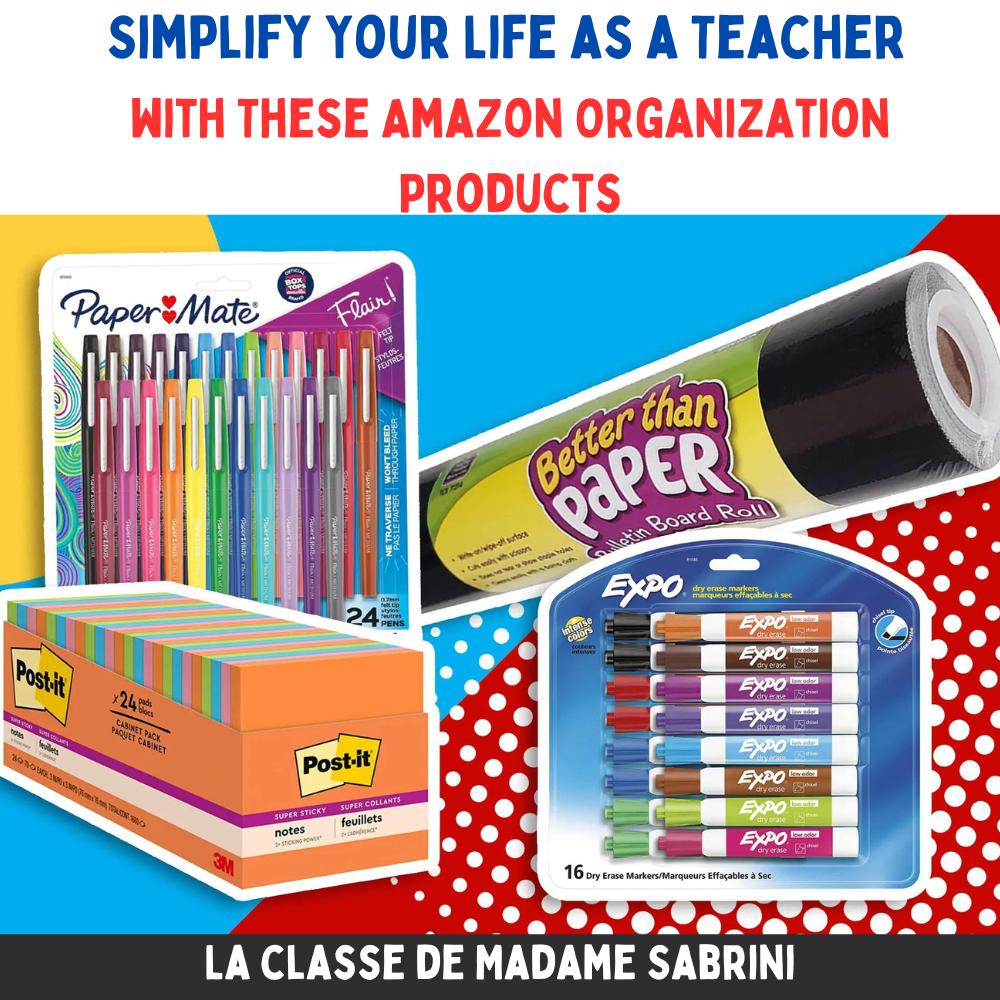
Teaching just got a whole lot easier! check out these game-changing Amazon organization products that simplify your life in the classroom

This post may contain affiliate links which means I may receive a commission for purchases made through links. I will only recommend products that I have personally used! Learn more on my Private Policy page.   Are you a teacher looking for ways to stay organized? Look no further! Amazon has a great selection of products designed specifically to help teachers organize their lives and simplify their work. From wall-mounted organizers to desk organizers, Amazon has the perfect items for teachers to create a well-ordered workspace. Whether you’re trying to stay on top of paperwork, classroom supplies, or important documents, these organization products from Amazon can help you stay organized and make the most of your time as a teacher. Read on to discover the best organization products for teachers from Amazon! Desk and Workspace Organization Products As a teacher, you know that keeping your desk and workspace organized is essential to staying on top of your workload. Amazon has a plethora of organization products designed to help teachers achieve maximum efficiency in the classroom. Firstly, investing in a desktop organizer is an easy way to keep pens, pencils, and paper clips in check. Amazon offers various styles, including tiered and modular organizers that can be customized to suit your needs. Another essential product is a file organizer or folder holder. These tools can help teachers manage lesson plans, homework assignments, and graded work all in one place. You can choose from hanging or freestanding file holders, depending on your desk or classroom setup. Lastly, cable clips are another fantastic tool for desk organization. These little guys keep cords in check, eliminating the frustration of tangled cables that can often impede workflow. By using these organization products, teachers can maintain a clean and functional workspace that fosters productivity and success in the classroom. Classroom Storage Solutions As a teacher, one of the biggest challenges you face is managing the numerous materials that you use in the classroom. From textbooks to art supplies, there are a lot of items that need to be stored away neatly and securely. Fortunately, Amazon offers a variety of storage solutions that can help you keep your classroom tidy and organized. One of the best options for teachers is storage bins. These versatile containers come in a range of sizes and materials, from colorful plastic bins to durable canvas baskets. You can use them to store everything from art supplies to extra books and classroom decor. They also stack easily, making it simple to create an efficient storage system that works for your classroom’s layout. Another great classroom storage solution is the bookshelf. Bookshelves come in a variety of styles and sizes, making it easy to find one that fits your classroom’s aesthetic and storage needs. Whether you prefer a classic wooden bookcase or a modern metal shelving unit, bookshelves provide ample storage space for books, binders, and other materials. For teachers who need to store larger items, such as sports equipment or musical instruments, a storage cabinet or locker can be a useful investment. These options provide secure, lockable storage space for items that you may not want to leave out in the open. Ultimately, the key to effective classroom storage is to have a system that works for you. Take some time to consider your classroom’s unique storage needs and look for solutions that are both practical and aesthetically pleasing. With the right storage tools, you can keep your classroom organized and functional, no matter how much stuff you have to store. Paper Management Tools As a teacher, you likely have a lot of paperwork to keep organized. From lesson plans to graded assignments to important memos from administration, paper can quickly pile up. Thankfully, there are a variety of paper management tools available on Amazon to help keep your classroom tidy and efficient. One great option is a set of file folders or accordion files. You can use these to separate different types of paperwork, such as student work, parent communication, and administrative documents. Label each folder clearly so you can quickly find what you need. Another option is a desktop file organizer. These are perfect for teachers who like to keep their most important papers within easy reach. You can sort your papers by subject, date, or priority level, and easily file and retrieve papers as needed. If you prefer to digitize your paperwork, there are several scanner options available on Amazon. This is a great way to eliminate paper clutter and keep everything in one easy-to-find location. No matter which paper management tools you choose, taking the time to organize your classroom paperwork will make your life as a teacher much easier. Plus, you’ll be able to focus more on teaching and less on searching for misplaced papers! Teacher Planner and Organizer Options As a teacher, it can be overwhelming to keep track of everything going on in your classroom, from lesson plans to grading and parent-teacher conferences. Fortunately, there are some fantastic teacher planner and organizer options available on Amazon that can help simplify your life. One option is the Erin Condren Teacher Lesson Planner, which allows teachers to plan their daily lessons, track attendance and behavior, and keep a record of grades. It also includes pages for setting goals and keeping track of professional development. Another great option is the Blue Sky Teacher Planner, which has weekly and monthly views, plenty of space for notes, and a built-in pocket for keeping important papers and documents. It also comes in a variety of colorful designs to suit any teacher’s style. If you prefer a digital planner, the Clever Fox Planner for Teachers is a popular choice. It includes sections for setting goals, planning lessons, and tracking attendance and grades. It can be accessed from any device, making it a convenient option for teachers on-the-go. No matter which teacher planner and organizer option you choose, having a designated space to keep track of important information will help you stay organized

Teaching just got a whole lot easier! check out these game-changing Amazon organization products that simplify your life in the classroom Read More »

Father’s Day Gifts for Your Kindergarten Student to Give to Their Dad

This post may contain affiliate links which means I may receive a commission for purchases made through links. I will only recommend products that I have personally used! Learn more on my Private Policy page.   This Father’s Day, why not show Dad how much he means to your kindergarten student by getting them a special gift from Amazon? With so many options, it can be hard to narrow down the choices. That’s why we’ve put together this list of the top Amazon Father’s Day gifts for your kindergarten student to give to their dad. From practical items to sentimental keepsakes, your student can find the perfect gift to show Dad how much they care. Top Father’s Day Gifts on Amazon Father’s Day is a special day to celebrate all the dads out there who have done so much for their children. It’s a day to show appreciation, love, and gratitude to the person who has been a mentor, protector, and role model for you. If you’re looking for the perfect gift for your dad, you don’t need to look further than Amazon. With so many options to choose from, we’ve curated the top Father’s Day gifts to help you make your dad’s day special. If you’re a kindergarten student, you’re probably wondering what to get your dad for Father’s Day. Don’t worry, we’ve got you covered with these teacher gift ideas. First up are tech gadgets. If your dad loves gadgets, Amazon has a variety of options to choose from. From smart speakers to wireless earbuds, there are plenty of gadgets that your dad will love. For dads who love outdoor adventures, there are also plenty of options. Amazon offers camping gear, hiking equipment, and fishing gear. If your dad loves to grill, you can also find great barbecue accessories on Amazon. If your dad enjoys spending time in the kitchen, there are also a variety of home and kitchen gifts available. Amazon offers everything from cookbooks to kitchen gadgets and appliances. For dads who love sports and fitness, there are plenty of options as well. From exercise equipment to workout gear, Amazon has everything your dad needs to stay active. Finally, if you’re looking for a personalized gift, Amazon has you covered. You can personalize a variety of gifts, such as a custom photo book or personalized jewelry.   Tech Gadgets for Dad If your kindergarten student’s dad is a gadget enthusiast, then he’ll surely appreciate a high-tech Father’s Day gift from Amazon. Here are some teacher gift ideas in the form of tech gadgets for dads: 1. Amazon Echo Dot – A smart speaker that’s powered by Alexa, this gadget can play music, set reminders, answer questions, and control other smart home devices. It’s a practical and useful gift for any dad. 2. Wireless Earbuds – For dads who are always on the go, wireless earbuds are the perfect gift. They allow him to listen to music or take calls hands-free, without the hassle of tangled cords. 3. Fitness Tracker – For health-conscious dads, a fitness tracker is a great gift idea. It can track his steps, monitor his heart rate, and even measure his sleep quality. 4. Virtual Reality Headset – For dads who love immersive experiences, a virtual reality headset is an awesome gift idea. It allows him to explore virtual worlds and games in 3D, providing a fun and exciting escape from reality. 5. Portable Charger – For dads who are always on their phones, a portable charger is a practical and convenient gift. It allows him to charge his phone on-the-go, so he’ll never have to worry about running out of battery. These are just some of the tech gadgets you can give as Father’s Day gifts from Amazon. Your kindergarten student’s dad will surely appreciate any of these gifts, as they are both practical and thoughtful. Outdoor Adventure Gifts for Dad If your dad loves the great outdoors, then he’ll definitely appreciate an outdoor adventure gift for Father’s Day. From camping gear to hiking essentials, there are plenty of options to choose from on Amazon. Here are some of the best teacher gift ideas for the outdoor enthusiast dad in your life: 1. Coleman Sundome Tent: This tent is perfect for camping trips and weekend getaways. It’s easy to set up and has a waterproof floor and rainfly to keep your dad dry in case of unexpected weather. 2. ENO DoubleNest Hammock: Give your dad the gift of relaxation with this comfortable hammock. It’s perfect for backyard lounging or taking on camping trips. 3. CamelBak Hydration Pack: This backpack has a built-in hydration system, so your dad can stay hydrated on long hikes or bike rides. It also has plenty of pockets to store snacks, maps, and other essentials. 4. Yeti Rambler Stainless Steel Mug: This insulated mug will keep your dad’s coffee or tea hot for hours, making it the perfect companion for early morning hikes or camping trips. 5. Garmin eTrex Handheld GPS: If your dad loves to explore new trails and wilderness areas, then a handheld GPS is a must-have. This Garmin eTrex model is durable and easy to use, making it perfect for any adventure. No matter what type of outdoor adventure your dad loves, there’s sure to be a gift on Amazon that he’ll appreciate. So why not surprise him this Father’s Day with a gift that he can use on his next adventure?   Home and Kitchen Gifts for Dad If your dad enjoys cooking or spending time in the kitchen, then these Amazon Father’s Day gifts are perfect for him. Here are some ideas that are sure to make him smile: 1. An air fryer – This is a great gift for dads who love fried food but are also trying to eat healthier. With an air fryer, your dad can still enjoy his favorite fried foods without all the added calories. 2. A smart coffee mug – For the coffee-loving dads out there,

Father’s Day Gifts for Your Kindergarten Student to Give to Their Dad Read More »

10 Tips for Teachers to Easily Recall Students Names

This post may contain affiliate links which means I may receive a commission for purchases made through links. I will only recommend products that I have personally used! Learn more on my Private Policy page. As a teacher, it can be difficult to remember the names of all your students. With class sizes getting larger, it can be an even bigger challenge to learn each student’s name. Fortunately, there are some simple strategies you can employ to help you quickly recall your students’ names. In this blog post, we will provide 10 tips for teachers to easily remember their students’ names. 1) The importance of knowing your students’ names As a teacher, knowing your students’ names can be one of the most powerful tools in your classroom. Addressing students by their names can create a sense of community, increase engagement, and build positive relationships between you and your students. It is not uncommon for students to feel disengaged or disconnected from their classroom if their teachers do not remember their names. Not only does it make them feel unimportant, but it can also make them less likely to participate in class discussions and activities. As a result, knowing your students’ names can have a significant impact on their learning and their experience in your classroom. Furthermore, knowing your students’ names can create a sense of belonging and comfort in your classroom. When students feel like their teacher knows them, they are more likely to feel like they belong in the classroom community. This can lead to improved academic performance and an increased willingness to participate in class activities. Overall, taking the time to learn your students’ names is essential in creating a positive classroom environment. By addressing your students by their names, you can create a more engaging, comfortable, and effective learning experience for everyone involved. 2) Say their name out loud when you meet them One of the simplest ways to remember your students’ names is to say their name out loud when you first meet them. This allows you to associate their name with their face and make a connection with them from the start. As a teacher, it’s easy to get caught up in the business of setting up your classroom or starting your lesson plan, but taking a moment to introduce yourself and learn your students’ names can make a big difference in building a positive and welcoming classroom environment. When you say their name out loud, make sure to pronounce it correctly. If you’re unsure of how to say their name, ask them for the correct pronunciation. This shows that you value their name and identity and can help to build a sense of respect and trust between you and your students. Additionally, saying their name out loud helps you to start remembering their names. Repetition is key when it comes to learning new information, including students’ names. Saying their name out loud will help you remember it better, especially if you repeat it a few times during your initial conversation. Overall, taking the time to say your students’ names out loud when you meet them is a small but important step in building positive relationships with your students and making your classroom a welcoming space for all. 3) Write their name down as soon as you meet them One of the easiest ways to remember students names is to write them down as soon as you meet them. This simple tip is highly effective in helping you retain your students’ names for the long-term. Keep a notebook or a class list handy and jot down their names, along with a quick note about any distinguishing characteristics or something memorable they shared during your first interaction. It’s important to remember that you’ll have a lot of students to keep track of in your classroom, so don’t be afraid to write their names down as soon as possible. Not only will this help you remember their names, but it will also demonstrate to your students that you value them as individuals and are making an effort to get to know them. By writing their names down, you’ll be able to review them in your free time and recall them more easily in the classroom. Plus, having a written record of your students’ names will also make it easier to take attendance and create seating charts. Remembering your students’ names can help foster a positive classroom environment and create a sense of community. Writing their names down is a simple yet effective way to achieve this, and it doesn’t require a lot of time or effort on your part. So, grab a pen and paper and start jotting down those students names! 4) Repeat their name back to them Another effective strategy for remembering students’ names is to repeat their name back to them when you first meet. For example, if a student introduces themselves as “Sarah,” respond by saying “Nice to meet you, Sarah.” This simple act of repetition can help to solidify their name in your memory. Additionally, as you continue to interact with students throughout the classroom, be sure to use their name again when appropriate. This reinforces the connection between their name and their face, and can help you recall their name more easily in the future. Remember, using a student’s name is not only important for building a personal connection with them, but it can also enhance their overall learning experience in the classroom. By taking the time to learn and remember each of your students’ names, you can create a welcoming and supportive learning environment that encourages engagement and success. 5) Use name tags Using name tags is an effective strategy for teachers to remember their students’ names. By having the names displayed in a visible place, it allows for quick and easy identification of each student. This is particularly helpful for teachers who may be teaching multiple classes or have a large number of students in their classroom. There

10 Tips for Teachers to Easily Recall Students Names Read More »

Effective Teacher-Parent Communication for Building Relationships

The relationship between teacher and parents is essential for a child’s learning and development. Effective teacher-parent communication is key to building a strong, productive partnership and ensuring that the best interests of the child are always taken into account. In this blog post, we’ll discuss the importance of effective teacher-parents communication for building relationships, and how to foster a successful partnership between teachers and parents. Why Parent-Teacher Relationships Matter Parents and teachers are essential players in a child’s education and upbringing. The role that each of them plays is unique, yet they share a common goal: to support the child’s growth and development. However, for this goal to be achieved effectively, it is crucial that they build strong relationships and work together. The teacher is responsible for providing the child with an education that nurtures their intellect and skills. On the other hand, parents are responsible for supporting the child’s emotional and social development, as well as reinforcing the values and skills taught by the teacher. When teachers and parents collaborate and build relationships, they create a more comprehensive support system for the child. Research shows that when parents and teachers communicate effectively, it leads to improved academic outcomes, increased student engagement, and better behavior. Moreover, when a parent feels involved in their child’s education, they become more invested in their child’s success. Therefore, parent-teacher relationships are not just important, but crucial to the child’s academic and personal success. Effective communication is key to building relationships between parents and teachers. When they communicate regularly and positively, they create a sense of trust and understanding. This allows them to share concerns, feedback, and suggestions for how they can work together to support the child. Regular communication also helps the parent and teacher stay informed about the child’s progress and areas of improvement. In the next section, we’ll discuss some tips for effective parent-teacher communication. Communication is Key to Building Strong Relationships Building strong relationships between teachers and parents is essential for the success of a child’s education. Effective communication plays a crucial role in building these relationships, and it starts with open and honest dialogue. When parents and teachers communicate regularly, it helps to establish trust, and a shared sense of purpose develops. Through regular communication, parents and teachers can gain a better understanding of each other’s perspectives, which can lead to more productive interactions. It’s essential to keep lines of communication open from the beginning of the school year. Teachers should provide parents with clear expectations of what their child will be learning and any rules that they will need to follow. Likewise, parents should be encouraged to share any concerns they have with the teacher early on. In addition to regular in-person communication, technology has made it easier to stay connected with parents. Using tools like email or online portals can allow for frequent communication and help build relationships over time. It’s important to remember that communication should be a two-way street. Teachers should be open to hearing feedback from parents and be willing to make changes to meet the needs of their students. Parents, in turn, should listen to feedback from teachers and work with them to support their child’s education. Overall, strong communication between parents and teachers can help build relationships that foster the success of students. By establishing open lines of dialogue and a willingness to work together, teachers and parents can ensure that students have the best possible educational experience. Tips for Effective Parent-Teacher Communication When it comes to building strong relationships between teachers and parents, effective communication is key. Here are some tips to help ensure that your interactions with parents are productive, positive, and supportive: 1. Set clear expectations. At the beginning of the school year or whenever a new student is added to your classroom, take the time to communicate your expectations to parents. This can include things like how often you will be communicating with them, what types of information you will be sharing, and how they can best reach you. 2. Be proactive. Don’t wait for parents to contact you with concerns or questions. Make an effort to reach out to them on a regular basis to check in, share updates, and offer support. 3. Use multiple channels. Some parents prefer to communicate via email, while others may prefer phone calls or in-person meetings. Try to be flexible and accommodate different communication styles as much as possible. 4. Listen actively. When parents reach out to you with concerns or questions, take the time to really listen and understand where they’re coming from. Paraphrase what they’ve said to ensure that you’re both on the same page. 5. Be honest and transparent. If a student is struggling academically or behaviorally, don’t sugarcoat the situation. Be upfront with parents about the challenges their child is facing and what steps you’re taking to help them succeed. By following these tips, you can build strong, productive relationships with parents that will benefit your students and your classroom as a whole. Remember, effective communication is the foundation for building positive parent-teacher relationships. Understanding Different Parenting Styles and Approaches It is important for teachers to recognize and understand the various parenting styles and approaches of the families they work with. This understanding can help build relationships with parents and improve communication. There are a variety of parenting styles, including authoritarian, permissive, and authoritative. It is important to recognize that each family has their own unique style and approach. By understanding and respecting these differences, teachers can work collaboratively with parents to best support the student’s academic and social-emotional growth. For example, some parents may have a more hands-off approach to their child’s education, while others may have a more hands-on approach. Some parents may prioritize academic success above all else, while others may focus more on social-emotional development. By understanding these differences, teachers can tailor their communication and approach to best meet the needs of the student and the family. It is also important to recognize

Effective Teacher-Parent Communication for Building Relationships Read More »

L’élément de différenciation le plus négligé : ce que tout enseignant devrait savoir

En tant qu’enseignants, nous savons tous que la différenciation est un aspect essentiel de la création d’une salle de classe réussie et engageante pour tous nos élèves. Cependant, malgré son importance, de nombreux éducateurs ont encore du mal à comprendre et à mettre en œuvre des stratégies de différenciation efficaces. Quel est l’élément de différenciation le plus négligé, vous demanderez-vous peut-être ? La réponse est étonnamment simple : comprendre ce que nos enfants aiment et comment ils apprennent le mieux. Dans cet article de blog, nous explorerons pourquoi ces connaissances sont si cruciales pour une différenciation efficace et comment les enseignants peuvent commencer à développer une compréhension plus approfondie des intérêts et des styles d’apprentissage uniques de leurs élèves. Qu’est-ce que la différenciation ? La différenciation est une approche pédagogique qui vise à aider les enfants ayant des capacités et des styles d’apprentissage différents à apprendre efficacement dans la même classe. C’est une façon d’adapter l’enseignement et les activités au profil individuel de chaque élève, en l’aidant à mieux comprendre les concepts enseignés et à progresser à son propre rythme. L’objectif de la différenciation est de s’assurer que tous les élèves sont mis au défi et soutenus de manière à leur permettre d’atteindre leur plein potentiel à l’école. Le but de la différenciation À la base, la différenciation consiste à aider les enfants à apprendre et à grandir de la meilleure façon possible. En adaptant l’enseignement et les activités pour répondre aux besoins et au style d’apprentissage uniques de chaque élève, les enseignants peuvent aider à garantir que chaque enfant est capable de progresser et d’atteindre son plein potentiel. La différenciation ne consiste pas seulement à rendre les choses plus faciles ou plus difficiles pour différents élèves ; il s’agit de comprendre les forces, les faiblesses et les profils de chaque enfant et d’utiliser ces connaissances pour fournir un soutien et un défi ciblés. En fin de compte, l’objectif de la différenciation est de créer une salle de classe inclusive et centrée sur l’élève où chacun dispose des outils et des ressources dont il a besoin pour réussir. L’élément le plus important de la différenciation Alors que de nombreux éducateurs comprennent le concept de base de la différenciation, tout le monde ne réalise pas l’élément le plus critique. La différenciation consiste à aider les enfants à apprendre, et l’élément le plus critique de la différenciation est d’aider chaque élève à apprendre d’une manière qui convient à son profil d’apprentissage individuel. Chaque élève est unique et ce qui fonctionne pour un enfant peut ne pas fonctionner pour un autre. La différenciation reconnaît ce fait et permet aux enseignants d’adapter leur enseignement en fonction du style d’apprentissage individuel de chaque élève. Ce faisant, les enseignants peuvent contribuer à faire en sorte que chaque élève reçoive le soutien et les conseils dont il a besoin pour réussir à l’école. Lorsque les enseignants prennent le temps de comprendre les profils d’apprentissage individuels de leurs élèves, ils peuvent identifier les domaines spécifiques où les élèves peuvent avoir besoin d’aide ou de soutien supplémentaire. Par exemple, certains élèves peuvent avoir des difficultés en lecture, tandis que d’autres peuvent avoir des difficultés en mathématiques. En identifiant ces domaines de besoin, les enseignants peuvent fournir un enseignement et un soutien ciblés pour aider chaque élève à atteindre son plein potentiel. À la base, la différenciation consiste à fournir aux étudiants les outils et le soutien dont ils ont besoin pour apprendre et grandir. En se concentrant sur les besoins individuels et les profils d’apprentissage, les enseignants peuvent aider chaque élève à réussir à l’école et au-delà. Avec le soutien et les conseils appropriés, les élèves peuvent développer les compétences et la confiance dont ils ont besoin pour s’épanouir en classe et au-delà. Comment différencier efficacement Maintenant que nous avons établi l’importance de la différenciation et son élément central, il est temps de se pencher sur la manière dont les enseignants peuvent efficacement différencier en classe. Tout d’abord, il est essentiel d’apprendre à connaître vos enfants et de comprendre leurs styles d’apprentissage et leurs besoins uniques. Chaque enfant a son propre profil, et c’est à nous, en tant qu’éducateurs, de les aider à apprendre et à grandir de la manière la plus efficace possible. Deuxièmement, une fois que vous avez compris le profil de chaque enfant, vous pouvez commencer à les regrouper en conséquence. La différenciation ne doit pas toujours être individuelle ; il peut également se produire dans de petits groupes de profils similaires. Troisièmement, fournir différents types de matériels d’apprentissage peut également contribuer à la différenciation. Par exemple, certains enfants peuvent exceller avec des activités pratiques, tandis que d’autres peuvent s’épanouir avec des aides visuelles ou des documents écrits. Enfin, l’un des moyens les plus efficaces de se différencier est l’utilisation de la technologie. Des programmes tels que des tableaux blancs interactifs, des jeux éducatifs et d’autres ressources numériques peuvent aider les enseignants à adapter leur enseignement à différents profils. En mettant en œuvre ces méthodes, les enseignants peuvent aider chaque enfant à apprendre et à grandir de la manière la plus efficace possible, ce qui conduit finalement à une plus grande réussite à l’école et au-delà. Exemples de différenciation en classe Afin de vraiment comprendre comment la différenciation peut être efficace, il est utile de regarder quelques exemples de la façon dont elle peut être mise en œuvre en classe. Tout d’abord, il est important de comprendre que la différenciation n’est pas une approche unique. Cela implique d’adapter les méthodes d’enseignement et le contenu pour répondre aux besoins uniques de chaque élève. Voici quelques exemples de la façon dont la différenciation peut être appliquée dans différents scénarios : – Pour les enfants qui ont du mal à comprendre la lecture, un enseignant peut créer des devoirs alternatifs ou fournir des ressources supplémentaires telles que des organisateurs graphiques ou des versions simplifiées du texte. Cela peut les aider à mieux comprendre et retenir le matériel. – Dans une école où il y a des élèves avec un large éventail de capacités académiques, un enseignant peut créer des activités nivelées ou un travail de groupe qui peuvent défier les élèves très performants tout

L’élément de différenciation le plus négligé : ce que tout enseignant devrait savoir Read More »

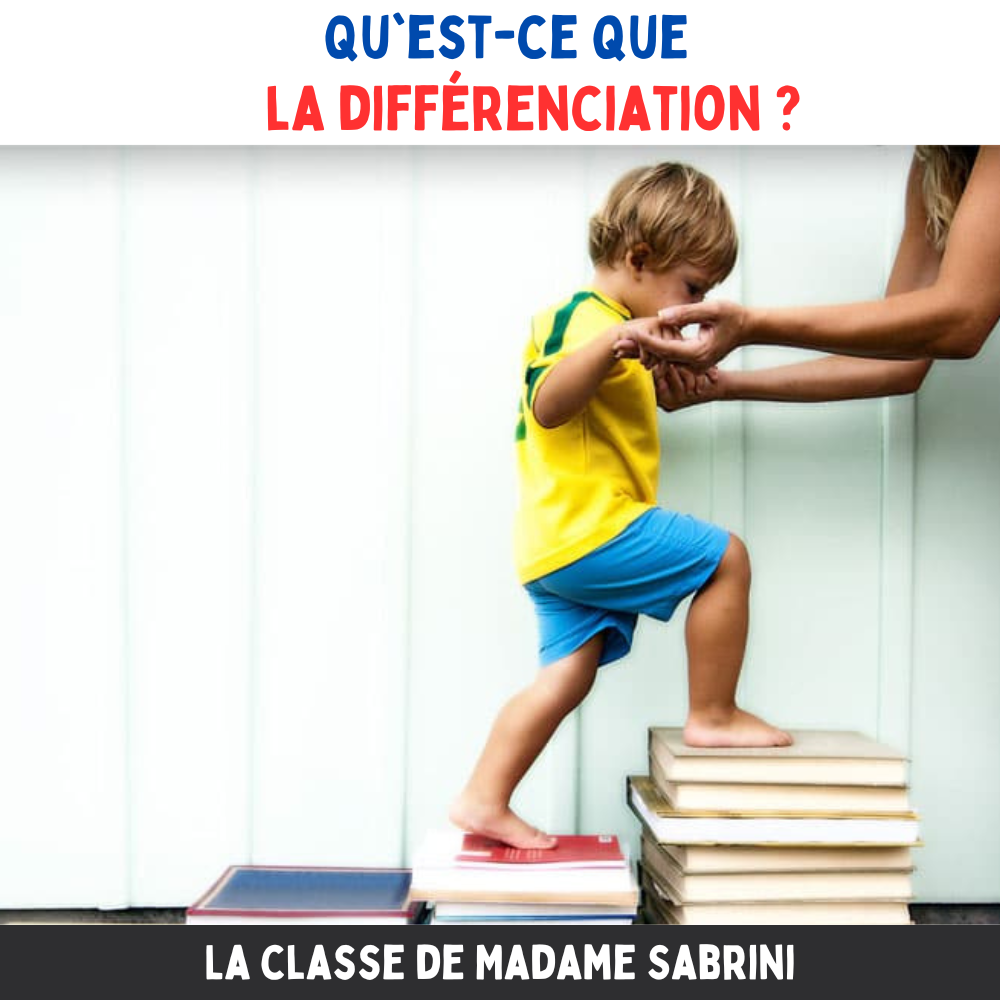
The Most Overlooked Element of Differentiation: What Every Teacher Should Know

This post may contain affiliate links which means I may receive a commission for purchases made through links. I will only recommend products that I have personally used! Learn more on my Private Policy page. As teachers, we all know that differentiation is a critical aspect of creating a successful and engaging classroom for all of our students. However, despite its importance, many educators still struggle to truly understand and implement effective differentiation strategies. What is the most overlooked element of differentiation, you may ask? The answer is surprisingly simple: understanding what our kids love and how they learn best. In this blog post, we will explore why this knowledge is so crucial for effective differentiation, and how teachers can start to develop a deeper understanding of their students’ unique interests and learning styles. What is differentiation? Differentiation is a teaching approach that aims to help kids with varying abilities and learning styles learn effectively in the same classroom. It’s a way to tailor instruction and activities to the individual profile of each student, helping them to better understand the concepts being taught and make progress at their own pace. The goal of differentiation is to ensure that all students are challenged and supported in ways that enable them to reach their full potential in school. The purpose of differentiation At its core, differentiation is all about helping kids learn and grow in the best possible way. By tailoring instruction and activities to meet each student’s unique needs and learning style, teachers can help ensure that every child is able to make progress and achieve their full potential. Differentiation is not just about making things easier or harder for different students; it’s about understanding the strengths, weaknesses, and profiles of each child and using that knowledge to provide targeted support and challenge. Ultimately, the goal of differentiation is to create an inclusive, student-centered classroom where everyone has the tools and resources they need to succeed. The most important element of differentiation While many educators understand the basic concept of differentiation, not everyone realizes the most critical element. Differentiation is all about helping kids learn, and the most critical element of differentiation is helping each student learn in a way that suits their individual learning profile. Every student is unique, and what works for one child may not work for another. Differentiation acknowledges this fact and allows teachers to tailor their instruction to suit each student’s individual learning style. By doing so, teachers can help ensure that every student receives the support and guidance they need to succeed in school. When teachers take the time to understand their students’ individual learning profiles, they can identify specific areas where students may need additional help or support. For example, some students may struggle with reading, while others may have difficulty with math. By identifying these areas of need, teachers can provide targeted instruction and support to help each student reach their full potential. At its core, differentiation is all about providing students with the tools and support they need to learn and grow. By focusing on individual needs and learning profiles, teachers can help every student succeed in school and beyond. With the right support and guidance, students can develop the skills and confidence they need to thrive in the classroom and beyond. How to differentiate effectively Now that we’ve established the importance of differentiation and its core element, it’s time to delve into how teachers can effectively differentiate in the classroom. Firstly, it’s essential to get to know your kids and understand their unique learning styles and needs. Each child has their own profile, and it’s up to us as educators to help them learn and grow in the most effective way possible. Secondly, once you understand each child’s profile, you can start to group them accordingly. Differentiation doesn’t always have to be one-on-one; it can also occur in small groups of similar profiles. Thirdly, providing different types of learning materials can also help with differentiation. For example, some children may excel with hands-on activities, while others may thrive with visual aids or written materials. Finally, one of the most effective ways to differentiate is through the use of technology. Programs such as interactive whiteboards, educational games, and other digital resources can help teachers tailor their instruction to different profiles. By implementing these methods, teachers can help each child learn and grow in the most effective way possible, ultimately leading to greater success in school and beyond. Examples of differentiation in the classroom In order to truly understand how differentiation can be effective, it’s helpful to look at some examples of how it can be implemented in the classroom. First, it’s important to understand that differentiation is not a one-size-fits-all approach. It involves tailoring teaching methods and content to fit the unique needs of individual students. Here are a few examples of how differentiation can be applied in different scenarios: – For kids who struggle with reading comprehension, a teacher might create alternative assignments or provide extra resources such as graphic organizers or simplified versions of the text. This can help them to better understand and retain the material. – In a school where there are students with a wide range of academic abilities, a teacher might create leveled activities or group work that can challenge high-achieving students while still providing support for those who need it. – For students who learn best through hands-on experiences, a teacher might incorporate more project-based learning into their curriculum. This allows students to apply what they’re learning in a practical way, which can be especially helpful for students who struggle to engage with traditional lectures or written assignments. – Finally, it’s important to consider students’ individual profiles when planning differentiation. This means taking into account factors such as their learning style, interests, and background knowledge. For example, a teacher might provide extra resources or reading materials related to a topic that a student is particularly passionate about. This not only helps the student to

The Most Overlooked Element of Differentiation: What Every Teacher Should Know Read More »

Building Strong Relationships with Your Students

As a teacher, it is so important to create strong relationships with your students. Kids need to know that their teacher is someone they can trust and rely on. By forming a strong bond between the teacher and student, it allows both parties to develop mutual respect for one another. Establishing this type of relationship has many benefits, including fostering a positive classroom environment and improving academic performance. In this blog post, we will discuss the importance of building strong relationships with your students and how to do it. Why Building Relationships with Students is Crucial As a teacher, you have a profound impact on your students. You’re not just responsible for imparting knowledge to them; you also have a unique opportunity to shape their growth, both academically and emotionally. To do this effectively, you must prioritize building strong, respectful relationships with your students. Here’s why: Respectful relationships built on love and trust can go a long way in fostering a positive learning environment. Students are more likely to be engaged, motivated, and willing to take risks when they feel a genuine connection with their teacher. This can lead to greater academic achievement and a more positive attitude towards learning. Moreover, strong teacher-student relationships can help students feel seen, heard, and valued as individuals. When students feel respected by their teacher, they are more likely to show respect to their peers and to authority figures outside of the classroom. Additionally, these relationships can have a significant impact on students’ self-esteem, self-worth, and sense of belonging. In short, building relationships with students isn’t just a nice thing to do – it’s essential to creating a safe, supportive, and effective learning environment. So if you’re looking to become a better teacher and make a lasting impact on your students’ lives, start by focusing on building strong, respectful relationships. Steps to Building Strong, Respectful Relationships 1. Understand Your Students’ Needs: Before you can begin building strong, respectful relationships with your students, it’s important to take the time to understand their needs. This includes learning about their interests, strengths, weaknesses, and any challenges they may be facing. By taking the time to understand your students, you can tailor your approach to teaching and better support their learning. 2. Communicate Effectively with Your Students: Clear and effective communication is essential to building strong, respectful relationships with your students. This includes listening carefully to your students, speaking with them in a respectful manner, and providing feedback that is constructive and supportive. Good communication is key to fostering trust and respect between teachers and students. 3. Build Trust and Rapport with Your Students: Trust is an essential ingredient in any relationship, and this is especially true in the teacher-student dynamic. To build trust, it’s important to be consistent in your actions, follow through on commitments, and be approachable and available when your students need support. By establishing trust, you can create an environment where your students feel safe and supported. 4. Show Empathy and Compassion: One of the best ways to build strong, respectful relationships with your students is to demonstrate empathy and compassion. This means taking the time to understand your students’ perspectives, feelings, and experiences, and showing them that you care about their wellbeing. When your students feel heard, seen, and understood, they are more likely to feel connected to you and to engage more fully in their learning. 5. Maintain Professional Boundaries: While building strong, respectful relationships with your students is important, it’s also essential to maintain appropriate professional boundaries. This means avoiding behaviors that could be interpreted as inappropriate, setting clear expectations for behavior, and treating all students equally and fairly. By establishing clear boundaries, you can build trust and respect while also maintaining a professional relationship with your students. 6. Foster a Positive Learning Environment: Finally, to build strong, respectful relationships with your students, it’s important to create a positive learning environment. This means setting clear expectations for behavior, encouraging collaboration and cooperation, and creating opportunities for your students to engage in meaningful learning experiences. When your students feel that they are part of a positive learning community, they are more likely to be motivated and engaged in their learning. Understanding Your Students’ Needs As a teacher, one of the most important things you can do to build strong, respectful relationships with your students is to take the time to understand their individual needs. Every student is unique, with their own strengths, challenges, and learning styles. By getting to know each of your students as individuals, you can create a learning environment that is more inclusive, supportive, and effective for everyone. Start by showing a genuine interest in your students as people. Ask them about their interests, hobbies, and goals, and listen attentively to their responses. This can help you better understand what motivates and engages them, and can give you insights into their individual learning styles and needs. Next, take the time to assess each student’s strengths and challenges. Observe them in class, review their work, and talk to other teachers or support staff who work with them. This can help you identify areas where they excel, as well as areas where they may need extra support or accommodations. Finally, be mindful of each student’s background and experiences. Students who come from different cultural, linguistic, or socioeconomic backgrounds may have unique needs and perspectives that you need to be aware of. Be respectful of these differences, and strive to create a learning environment that is inclusive and welcoming for everyone. By taking the time to understand your students’ needs, you can create a more personalized and effective learning experience for each of them. This can help build trust and rapport, and can set the stage for a strong, respectful relationship between you and your students. Ultimately, it’s this kind of relationship that can help students feel seen, heard, and valued, and can foster a love of learning that lasts a lifetime. Communicating Effectively with Your Students As a teacher, effective

Building Strong Relationships with Your Students Read More »

Scroll to Top