Alphabet

Phonics

Literacy

Math

Centers

Fine Motor
and Crafts

Teacher
Tips

Author name: sabrini025

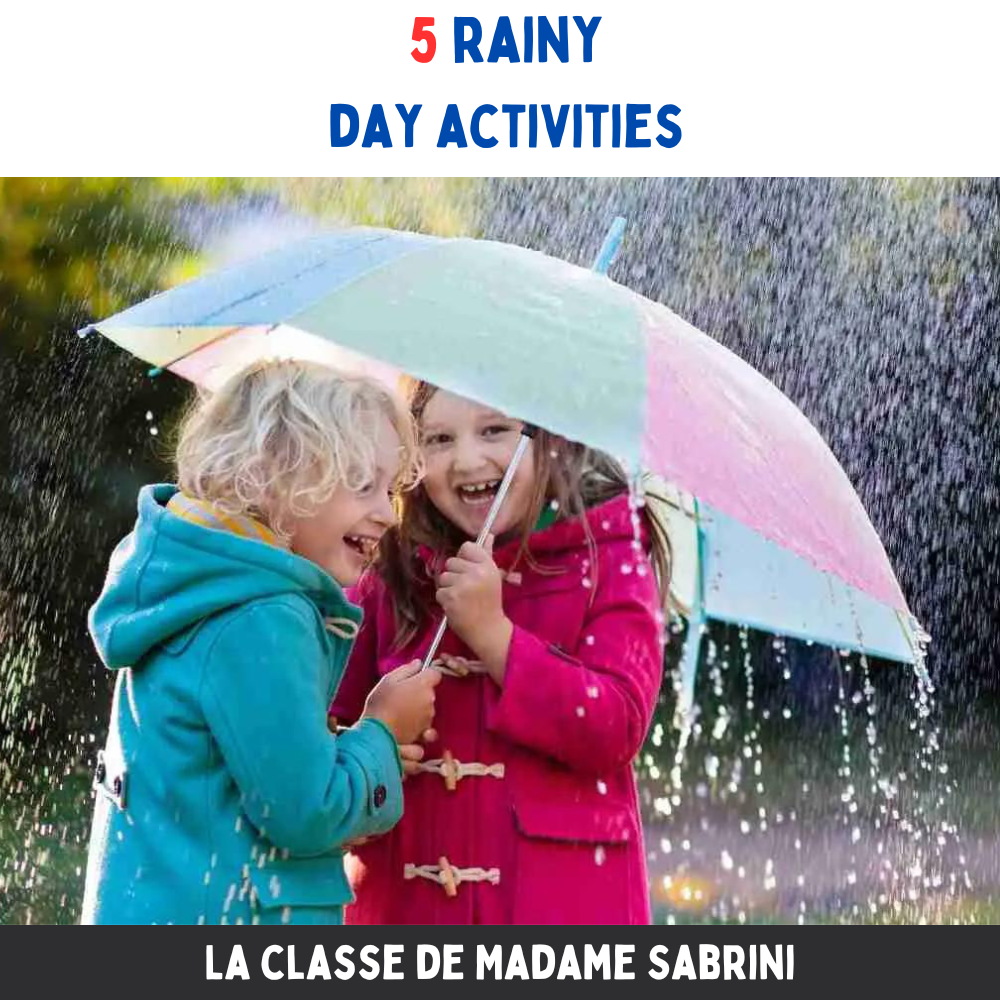
Make the Most of Your Rainy Days: Top 5 Great Rainy Day Activities for School Days

This post may contain affiliate links which means I may receive a commission for purchases made through links. I will only recommend products that I have personally used! Learn more on my Private Policy page.   When the rain starts pouring and recess has been cancelled, it can be a challenge to keep your students engaged and excited about learning. But fear not! We’ve rounded up the top 5 Great Rainy Day Activities for School Days that are sure to be a hit with kids of all ages. From arts and crafts to indoor games, these activities will not only keep your students entertained, but also help them learn in a fun and interactive way. So, let’s make the most of those rainy days and keep the learning going with these amazing ideas! 1) Indoor Scavenger Hunt Rainy days can be a drag, but with a little creativity, they can turn into fun-filled learning opportunities. One great activity that teachers can organize for their students on rainy days is an indoor scavenger hunt. Scavenger hunts are a great way for kids to learn while having fun. Teachers can tailor their scavenger hunt to any topic or subject they are currently teaching, making it an engaging and educational activity. The hunt can be done individually or in teams, with each group given a set of clues to follow. Teachers can choose to have their scavenger hunt focus on academic subjects, such as math or science, or more practical skills like time management and teamwork. It’s a great way to get kids moving and engaged in a fun activity that will keep their minds stimulated. Some possible scavenger hunt themes for teachers to explore are a history-themed hunt, where students have to find artifacts that represent a particular era, or a science-themed hunt, where they must find items that correspond to the different branches of science. Overall, an indoor scavenger hunt is a great way to engage kids in learning on a rainy day. It’s a fun and educational activity that will help students develop their critical thinking, teamwork, and problem-solving skills. So, don’t let the rain ruin your day. Organize an indoor scavenger hunt and make the most of your school day! 2) Group Art Project Another great rainy day activity for teachers and their students is a group art project. Art projects not only allow kids to express their creativity but also help them develop their problem-solving and decision-making skills. Teachers can encourage students to work together to create a large mural or collage using various materials such as paint, markers, and colored paper. Students can brainstorm ideas for the project and work collaboratively to bring their vision to life. Moreover, art projects can also be tied to different subjects to make learning fun and engaging. For instance, teachers can ask students to create an art project based on a book they recently read, a historical event they studied, or a scientific concept they learned. Overall, a group art project is a fun way for teachers to keep their students engaged and promote teamwork while also fostering creativity and learning. So, next time it’s raining outside, grab some art supplies and let your students create something beautiful together.   3) Movie Time Rainy days are the perfect excuse to snuggle up and watch a movie. But as a teacher, you can make this activity not just about entertainment, but also about learning. Choose a movie that relates to your lesson plans or that teaches an important life lesson. After the movie, have a group discussion about what the students learned or how the movie relates to what they’re studying in class. For younger kids, you can even make it a themed movie day, such as watching movies about animals or nature. Not only will your students be entertained, but they’ll also be learning without even realizing it! 4) Learning a New Skill Rainy days don’t have to be dull and unproductive! As a teacher, you can use these days to impart a new skill or two to your kids. It’s a perfect opportunity to break away from the regular curriculum and spice things up. Learning new skills will not only help your students to stay engaged but also improve their cognitive abilities. Plus, as a teacher, it’s always beneficial to expand your knowledge base. Here are some ideas to get started: 1. Basic coding: Kids are tech-savvy and are always curious about how things work. Introducing them to basic coding will be a valuable skill they can carry into the future. 2. Sign Language: Sign language is a great way to communicate with people who have hearing impairments. Teaching your students the basics can improve their communication skills. 3. Cooking/Baking: Cooking is a basic life skill that everyone should have. A rainy day is the perfect opportunity to teach your students some cooking and baking skills that they can take home. 4. CPR/First Aid: Basic knowledge of CPR and first aid can help save lives in emergency situations. Teaching your students the basics of CPR and first aid can prepare them to be helpful in an emergency. 5. Yoga/Meditation: Yoga and meditation have many benefits, including reducing stress, improving flexibility, and promoting relaxation. Introducing these practices to your students can be a great way to keep them calm and focused. Remember, learning a new skill is not only fun but also has long-term benefits. So, the next time you have a rainy day, consider trying out some of these new skills with your students. You never know what kind of impact you’ll make! 5) Game Day When it’s pouring rain outside and recess is off-limits, a game day can be the perfect activity to keep your students entertained and engaged. But don’t just settle for any old board game. Here are some fun and educational games that your students will love: 1. Jeopardy – This classic game show format is perfect for a group of students to play as

Make the Most of Your Rainy Days: Top 5 Great Rainy Day Activities for School Days Read More »

The Ultimate Challenge: How to Measure the Impact of a Great Teacher on Student Learning

What does it mean to be a great teacher? For many, this is the ultimate challenge – how to measure the impact of a great teacher on student learning. It is an age-old question that has yet to be answered. The impact of a great teacher on student learning cannot be quantified, but it can be observed and analyzed. In this blog post, we will discuss the various aspects of a great teacher and how they affect student learning. We will explore how to measure the impact of a great teacher and how it contributes to successful student outcomes. Defining Great Teaching Great teaching is not just about delivering lessons and transmitting information to students. It involves a deep commitment to student care, love, and learning. Teachers who are dedicated to their craft understand that their role extends beyond imparting knowledge and skills. They are invested in creating a positive and supportive learning environment that promotes academic growth and personal development. In defining great teaching, one cannot ignore the impact of a teacher’s personality and disposition. A great teacher is someone who is enthusiastic, passionate, and empathetic towards their students. They know how to connect with each individual, recognize their strengths and challenges, and inspire them to achieve their full potential. Furthermore, great teaching goes beyond what is taught in the classroom. It encompasses the skills and values that students will carry with them long after they leave the classroom. A great teacher is someone who models lifelong learning, critical thinking, creativity, and problem-solving. They challenge their students to think beyond the curriculum and apply their knowledge to real-world situations. Overall, great teaching is about creating an environment where students feel valued, respected, and empowered to learn and grow. It involves a holistic approach that considers the whole student – not just their academic achievements, but also their social, emotional, and physical well-being. It requires dedication, hard work, and a genuine love for teaching and learning. Measuring Student Learning Outcomes At the core of being a great teacher is the ability to help students learn and grow academically, socially, and emotionally. Therefore, one of the most critical aspects of evaluating a teacher’s effectiveness is measuring student learning outcomes. Simply put, this means looking at how much students have learned, grown, and achieved under a teacher’s guidance. However, measuring learning outcomes is more than just looking at grades or test scores. Great teachers recognize that student care, love of learning, and other non-cognitive factors are essential for success. As such, assessing student growth and progress requires looking at a variety of factors beyond academic achievement. One useful way to measure student learning outcomes is to use a range of formative and summative assessments that capture a broad range of skills and knowledge. For instance, a great teacher might use performance tasks, essays, presentations, projects, and other types of assessments that tap into different types of learning. In addition, great teachers take time to get to know their students and personalize their instruction to meet their needs. By using data from assessments and other sources, teachers can provide targeted support, intervention, and enrichment to ensure that all students are challenged and supported. Ultimately, measuring student learning outcomes requires looking at both quantitative and qualitative data. While grades and test scores can be useful, they do not paint the full picture of student achievement. By taking into account factors like student care, love of learning, and social-emotional development, we can better understand the impact that great teachers have on their students’ lives. The Importance of Effective Teacher-Student Relationships Great teachers understand that building strong relationships with their students is essential to achieving success in the classroom. By cultivating positive connections, teachers can create a safe and welcoming learning environment where students feel valued and supported. One of the key factors in effective teacher-student relationships is care. When teachers show that they genuinely care about their students, they can create a sense of trust and respect that encourages students to take risks and pursue their academic goals. This care can be demonstrated through personalized feedback, extra attention for struggling students, and open communication with parents and guardians. Love for learning is also a crucial component of a strong teacher-student relationship. By inspiring students with their own passion for learning, great teachers can ignite a love of knowledge that lasts long after the school day is over. They can also encourage students to develop a growth mindset, where mistakes and challenges are seen as opportunities to learn and grow. Ultimately, the importance of effective teacher-student relationships cannot be overstated. These relationships have the power to shape students’ academic and personal development, and can create a lasting impact on their lives. When students feel seen, heard, and cared for by their teachers, they are more likely to engage with their coursework and reach their full potential. Techniques for Engaging and Motivating Students Being a great teacher is all about ensuring that students are engaged and motivated to learn. Here are some techniques that can help you achieve that goal: 1. Show student care: Students need to feel that their teachers care about them as individuals. Take time to learn about their interests, hobbies, and aspirations. Offer words of encouragement when they are struggling, and celebrate their successes. 2. Use varied teaching strategies: No two students learn in exactly the same way. To ensure that you reach every student, vary your teaching strategies. Use multimedia, hands-on activities, group work, and independent study. 3. Create a positive classroom culture: Your classroom should be a place where students feel safe, supported, and valued. Encourage positive behavior, and address negative behavior in a constructive way. Create opportunities for students to work together and collaborate. 4. Love learning: Students are more likely to be engaged and motivated if they see that their teachers are passionate about their subjects. Share your own love of learning, and encourage students to explore their own interests and passions. 5. Set clear goals: Students need

The Ultimate Challenge: How to Measure the Impact of a Great Teacher on Student Learning Read More »

Gift Ideas That Will Delight Your Teachers and Inspire Your Students

This post may contain affiliate links which means I may receive a commission for purchases made through links. I will only recommend products that I have personally used! Learn more on my Private Policy page. Teachers are the unsung heroes of the education world. They dedicate countless hours to imparting knowledge and skills to their students, always striving to help them reach their full potential. And with the holiday season just around the corner, it’s the perfect time to show your appreciation with a thoughtful gift. Luckily, Amazon has a wide selection of gifts that are sure to make your teacher’s day. In this post, we’ll share 10 amazing gift ideas that will delight your teachers and inspire your students. So without further ado, let’s dive in! 1) A book to keep them organized One of the best gifts you can give to a teacher is a book to help them stay organized. It’s a simple gesture that can make a big difference in their day-to-day routine. There are many books available on Amazon that are specifically designed for teachers. Some popular choices include “The Teacher’s Planner,” “The Ultimate Teacher’s Handbook,” and “The Happy Teacher Habits.” Not only will this gift help them stay on top of their tasks, but it can also inspire them to be more productive and efficient in the classroom. As a student, giving your teacher a gift like this shows that you appreciate the effort they put into their job and want to support them in any way you can. In addition to the practical benefits, a book like this can also help your teacher feel more confident and less stressed. When they have a clear plan for the day or week, they can focus more on teaching and less on logistics. So, if you’re looking for a great student gift teacher will love, consider giving them a book to keep them organized.   2) A fun mug to start their day Looking for a student gift teacher that will brighten their mornings? Look no further than Amazon, where you’ll find a plethora of cute and quirky mugs perfect for any teacher’s coffee or tea break. From mugs adorned with inspiring quotes to ones that celebrate their love for their subject matter, you’re sure to find the perfect match for your favorite teacher. Not only will they love starting their day off with a smile, but they’ll also appreciate the thought that went into choosing a gift just for them. If you’re feeling crafty, you can even take things a step further by personalizing the mug yourself. Use paint pens to add their name or a special message, or create a design that incorporates their favorite hobby or interest. No matter which route you choose, a fun mug is a great way to show your appreciation for all that your teacher does. So go ahead, add one to your shopping cart and let your teacher know just how much they mean to you. 3) A set of pens they’ll love to use Pens are a staple for any teacher. They use them for grading papers, writing notes, and making lesson plans. However, not all pens are created equal. Give your teacher the gift of a set of pens they’ll love to use. These pens are not only practical, but they can also be a fun student gift that your teacher will appreciate. A set of colored pens can make grading papers more enjoyable and organized. It can also add some creativity to their lesson planning. Consider getting your teacher a set of fine point or felt tip pens for precision writing or a set of gel pens for a smoother writing experience. The options are endless, and your teacher will appreciate the thought you put into their gift. Additionally, if your teacher has a particular favorite brand or type of pen, try to find a set that includes those specific pens. They will appreciate the attention to detail and the fact that you took the time to get to know their preferences. Overall, a set of pens they’ll love to use is a practical and thoughtful teacher gift that can make their day-to-day tasks a little bit brighter.   4) A cozy throw blanket for their classroom Teachers often spend long hours in their classrooms, preparing lesson plans, grading assignments, and engaging with their students. And while schools are usually equipped with heating systems, the temperatures can fluctuate from one room to another. That’s why a cozy throw blanket can be an excellent gift for your favorite teacher. Here’s why: – It’s practical: When the weather is chilly, a warm blanket can provide instant comfort to your teacher. They can use it during their break time or wrap themselves in it while grading papers. – It’s stylish: Blankets come in a variety of designs and colors, so you can choose one that matches your teacher’s personality and taste. From bright and bold patterns to soft and subtle hues, there’s a blanket for every preference. – It creates a homey atmosphere: A blanket can add a touch of coziness to any classroom, making it a welcoming space for both the teacher and the students. Plus, it can be a conversation starter, encouraging students to connect with their teacher on a personal level. If you’re not sure where to find a quality blanket, Amazon has a great selection of cozy throws that come in different sizes and materials. Look for blankets that are machine-washable and easy to care for. You might even want to consider adding a personal touch by monogramming your teacher’s name or initials. 5) A stylish tote bag to carry their things Teachers are always on the go, so having a reliable tote bag to carry all their supplies and materials is essential. A stylish tote bag is a great gift option because it not only serves a practical purpose, but it also adds a touch of fashion to their everyday routine. One

Gift Ideas That Will Delight Your Teachers and Inspire Your Students Read More »

Pourquoi les bulletins scolaires sont importants à la maternelle

Ce message peut contenir des liens d’affiliation, ce qui signifie que je peux recevoir une commission pour les achats effectués via des liens. Je ne recommanderai que des produits que j’ai personnellement utilisés ! En savoir plus sur ma page Politique de confidentialité. En tant qu’enseignant de maternelle, vous vous sentez peut-être dépassé par la tâche de préparer des bulletins pour vos élèves. La rédaction de rapports peut être une tâche intimidante, mais ce n’est pas obligatoire ! Dans cet article de blog, nous fournirons un guide simple pour créer des bulletins scolaires pour les maternelles. En quelques étapes simples, vous pouvez créer rapidement et facilement des bulletins significatifs qui reflètent avec précision les progrès et la croissance académiques de vos élèves. De la configuration de la mise en page à la rédaction de commentaires significatifs, nous couvrirons tout ce que vous devez savoir sur les bulletins scolaires pour les maternelles. Alors, commençons! Pourquoi les bulletins scolaires sont importants à la maternelle En tant qu’enseignant de maternelle, vous vous demandez peut-être pourquoi les bulletins scolaires sont importants pour de si jeunes élèves. Après tout, ils ne font que commencer leur parcours scolaire et ne comprennent peut-être même pas ce qu’est un bulletin scolaire. Cependant, les bulletins scolaires jouent un rôle crucial dans l’évaluation et la communication des progrès des enfants de la maternelle. D’abord et avant tout, les bulletins fournissent aux parents et aux tuteurs des informations précieuses sur la croissance scolaire et socio-affective de leur enfant. En recevant un bulletin scolaire, les parents peuvent voir comment leur enfant progresse dans des domaines clés tels que la littératie, la numératie, les compétences sociales, etc. Ces informations peuvent les aider à mieux comprendre les points forts et les points à améliorer de leur enfant, et ils peuvent les utiliser pour soutenir le développement de leur enfant. Les bulletins sont également un outil utile pour les enseignants de la maternelle. Ils aident les enseignants à évaluer les progrès de leurs élèves et à identifier les domaines où ils peuvent avoir besoin de fournir un soutien supplémentaire. En suivant la croissance de leurs élèves au fil du temps, les enseignants peuvent ajuster leurs stratégies d’enseignement pour mieux répondre aux besoins de chaque enfant. De plus, les bulletins aident à créer une responsabilisation. Ils tiennent les enseignants, les élèves et les parents responsables de leur rôle dans le processus éducatif. Pour les enseignants, les bulletins sont un moyen de démontrer leur efficacité et l’impact de leurs méthodes d’enseignement. Pour les étudiants, les bulletins montrent les résultats de leurs efforts et de leur travail acharné. Et pour les parents, les bulletins fournissent une compréhension claire du parcours scolaire de leur enfant et de la manière dont ils peuvent l’aider à atteindre son plein potentiel. Dans l’ensemble, les bulletins scolaires sont importants à la maternelle car ils fournissent un aperçu des progrès de chaque élève et aident à créer un effort de collaboration entre les parents, les enseignants et les élèves. Ils constituent un outil précieux pour promouvoir la croissance scolaire et socio-émotionnelle des jeunes apprenants et constituent une partie essentielle de l’expérience éducative de la maternelle.   Ce qu’il faut inclure dans un bulletin de maternelle Lorsqu’il s’agit de créer un bulletin de maternelle, il est important d’inclure des informations spécifiques qui reflètent avec précision les progrès de chaque élève. En tant qu’enseignant, il est de votre responsabilité de fournir aux parents et aux tuteurs un regard approfondi sur la croissance scolaire et sociale de leur enfant tout au long de l’année. Voici quelques éléments clés à prendre en compte lors de la conception de vos bulletins : 1. Évaluations des compétences – Les bulletins de la maternelle doivent inclure une évaluation du développement de chaque enfant dans des domaines importants tels que les arts du langage, les mathématiques, les études sociales et les sciences. Envisagez d’inclure des sous-catégories telles que la compréhension de la lecture, le comptage et les capacités de résolution de problèmes. 2. L’assiduité et le comportement – ​​L’assiduité et le comportement d’un enfant peuvent jouer un rôle important dans sa réussite globale. L’inclusion d’informations sur la fréquence de présence d’un enfant et sur tout comportement notable est cruciale pour les parents. 3. Accomplissements et réalisations – Bien que les bulletins scolaires se concentrent principalement sur le rendement scolaire, il est également important de mettre en évidence les réalisations et les réalisations d’un enfant tout au long de l’année. Qu’il s’agisse d’accomplir une tâche difficile ou de participer à un projet de classe, ces réalisations peuvent contribuer à la réussite globale d’un enfant. 4. Buts et objectifs – Enfin, les bulletins de la maternelle doivent inclure des buts et des objectifs spécifiques pour chaque élève qui progresse. Ceux-ci peuvent être des objectifs académiques ou sociaux et doivent être réalisables dans un délai raisonnable. Dans l’ensemble, la création de bulletins de maternelle efficaces nécessite un sens aigu du détail et une compréhension approfondie des forces et des faiblesses individuelles de chaque enfant. En incluant toutes les informations nécessaires, les parents et les tuteurs pourront travailler avec les enseignants pour offrir la meilleure expérience éducative possible à leurs enfants. Comment évaluer les progrès des élèves de la maternelle Évaluer les progrès des élèves de la maternelle peut être difficile pour n’importe quel enseignant. Cependant, avec les bons outils et stratégies, il est possible d’évaluer avec précision la performance d’un enfant et de créer un bulletin significatif. Voici quelques conseils pour évaluer les progrès des élèves de la maternelle : 1. Utilisez une variété d’outils d’évaluation : Afin d’obtenir une compréhension complète des progrès d’un enfant, il est important d’utiliser une variété d’outils d’évaluation tels que des observations, des portfolios, des listes de contrôle et des évaluations. 2. Regardez les progrès individuels : Chaque enfant progresse à son propre rythme et a ses propres forces et faiblesses. En tant qu’enseignant, il est important d’examiner les progrès individuels plutôt que de les comparer à ceux des autres élèves de la classe. 3. Concentrez-vous sur les domaines clés : lors de l’évaluation des progrès des élèves de la maternelle, il est important de se concentrer sur des domaines clés tels

Pourquoi les bulletins scolaires sont importants à la maternelle Read More »

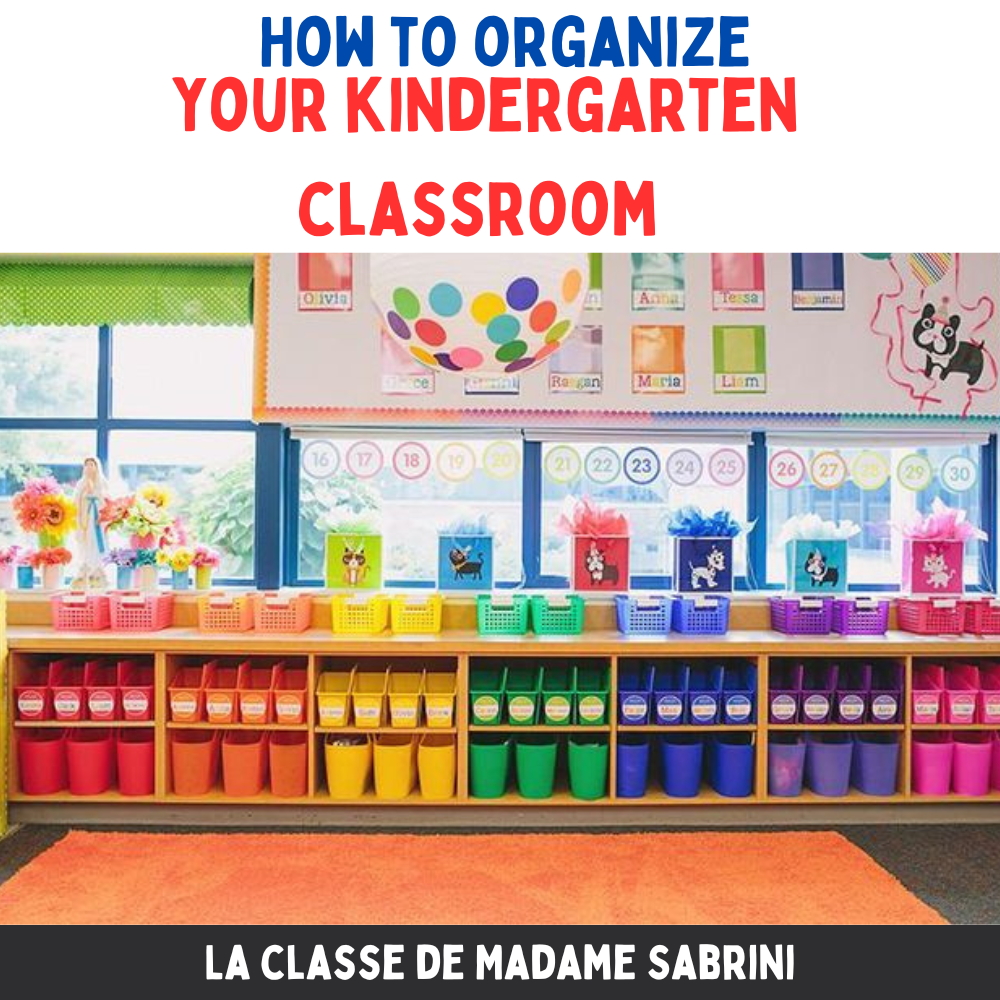
How to organize your kindergarten classroom

This post may contain affiliate links which means I may receive a commission for purchases made through links. I will only recommend products that I have personally used! Learn more on my Private Policy page. As a kindergarten teacher, organizing your classroom can seem overwhelming. But fear not, with these tips, you’ll have a functional and fun learning environment for your little ones. Step 1: Determine your Classroom Layout Consider your space and decide how you want to arrange the different areas of your classroom. Ideally, you’ll want a quiet reading area, a writing area, a play area, and a place for group instruction. Step 2: Label Everything Using clear and consistent labels will make it easier for your students to understand and navigate the different areas of the classroom. Color coding or picture labels may be helpful for kindergarteners. Step 3: Sort Supplies Designate a specific spot for each of your supplies. Items such as pencils, markers, glue sticks, scissors, and paper should have a designated spot for easy access and use. Step 4: Incorporate Storage Classroom storage can come in many forms, including cubbies, bins, shelves, or cabinets. Find a storage solution that works best for your classroom and ensures that everything has a place. Step 5: Decorate the Walls Bright and colorful decorations can be inspiring for kindergarteners. Create a bulletin board for students’ work or create a learning wall that is interactive and informative. Step 6: Establish a Classroom Routine Having a routine helps children feel safe and secure in their classroom. Establish daily routines such as where students store their backpacks and how they clean up their desks before leaving for the day. By following these simple steps, you’ll be able to create a kindergarten classroom that is organized, welcoming, and inspiring for your students.

How to organize your kindergarten classroom Read More »

An Easy Guide to Report Cards for Kindergarten Teachers

This post may contain affiliate links which means I may receive a commission for purchases made through links. I will only recommend products that I have personally used! Learn more on my Private Policy page. As a kindergarten teacher, you may be feeling overwhelmed with the task of preparing report cards for your kids. Writing reports can be a daunting task, but it doesn’t have to be! In this blog post, we will provide an easy guide to creating report cards for kindergarteners. With just a few simple steps, you can quickly and easily create meaningful report cards that accurately reflect your students’ academic progress and growth. From setting up the layout to writing meaningful comments, we’ll cover everything you need to know about report cards for kindergarteners. So, let’s get started! Why Report Cards Matter in Kindergarten As a kindergarten teacher, you may be wondering why report cards matter for such young students. After all, they are just starting their educational journey and may not even understand what a report card is. However, report cards play a crucial role in assessing and communicating the progress of kindergarten kids. First and foremost, report cards provide parents and guardians with valuable information about their child’s academic and social-emotional growth. By receiving a report card, parents can see how their child is progressing in key areas such as literacy, numeracy, social skills, and more. This information can help them better understand their child’s strengths and areas for improvement, and they can use it to support their child’s development. Report cards also serve as a useful tool for kindergarten teachers. They help teachers to evaluate their students’ progress and identify areas where they may need to provide additional support. By tracking their students’ growth over time, teachers can adjust their teaching strategies to better meet the needs of each individual child. In addition, report cards help to create accountability. They hold teachers, students, and parents accountable for their roles in the education process. For teachers, report cards provide a means of demonstrating their effectiveness and the impact of their teaching methods. For students, report cards show the results of their effort and hard work. And for parents, report cards provide a clear understanding of their child’s educational journey and how they can support them in reaching their full potential. Overall, report cards matter in kindergarten because they provide a snapshot of each student’s progress and help to create a collaborative effort between parents, teachers, and students. They serve as a valuable tool in promoting academic and social-emotional growth in young learners, and are an essential part of the kindergarten educational experience. What to Include in a Kindergarten Report Card When it comes to creating a kindergarten report card, it’s important to include specific information that accurately reflects each student’s progress. As the teacher, it’s your responsibility to provide parents and caregivers with an in-depth look at their child’s academic and social growth throughout the year. Here are some key components to consider when designing your report cards: 1. Skills Assessments – Report cards for kindergarten should include an assessment of each child’s development in important areas such as language arts, math, social studies, and science. Consider including subcategories such as reading comprehension, counting, and problem-solving abilities. 2. Attendance and Behavior – A child’s attendance and behavior can play a significant role in their overall success. Including information about how often a child was present and any notable behavior patterns is crucial for parents to know. 3. Accomplishments and Achievements – While report cards primarily focus on academic performance, it’s also important to highlight a child’s achievements and accomplishments throughout the year. Whether it be completing a difficult task or participating in a class project, these accomplishments can contribute to a child’s overall success. 4. Goals and Objectives – Lastly, report cards for kindergarten should include specific goals and objectives for each student moving forward. These can be academic or social goals and should be achievable within a reasonable timeframe. Overall, creating effective kindergarten report cards requires a keen eye for detail and a thorough understanding of each child’s individual strengths and weaknesses. By including all the necessary information, parents and caregivers will be able to work with teachers to provide the best possible educational experience for their children. How to Assess Kindergarten Students’ Progress Assessing the progress of kindergarten students can be challenging for any teacher. However, with the right tools and strategies, it is possible to accurately evaluate a child’s performance and create a meaningful report card. Here are some tips for assessing kindergarten students’ progress: 1. Use a variety of assessment tools: In order to get a well-rounded understanding of a child’s progress, it is important to use a variety of assessment tools such as observations, portfolios, checklists, and assessments. 2. Look at individual progress: Each child progresses at their own pace and has their own strengths and weaknesses. As a teacher, it is important to look at individual progress rather than comparing them to other students in the class. 3. Focus on key areas: When assessing kindergarten students’ progress, it is important to focus on key areas such as language development, math skills, social skills, and self-help skills. 4. Keep accurate records: It is important to keep accurate records of each child’s progress throughout the school year. This will help you create a more accurate and detailed report card at the end of the year. 5. Involve parents: Parents are an important part of the assessment process. Keep them informed about their child’s progress and involve them in goal-setting and planning. By using these strategies, you can create an accurate and meaningful report card that reflects each child’s progress and achievements. Remember, report cards are not just a way to communicate progress to parents but are also a valuable tool for helping kids continue to grow and develop. Tips for Writing Effective Comments on Kindergarten Report Cards As a kindergarten teacher, one of the most challenging aspects of creating

An Easy Guide to Report Cards for Kindergarten Teachers Read More »

Le guide ultime pour enseigner les mathématiques aux enfants : trucs, astuces et stratégies pour les parents et les éducateurs

Ce message peut contenir des liens d’affiliation, ce qui signifie que je peux recevoir une commission pour les achats effectués via des liens. Je ne recommanderai que des produits que j’ai personnellement utilisés! En savoir plus sur ma page Politique de confidentialité.   Introduction : Quelle est la meilleure façon d’enseigner les mathématiques aux enfants ? L’enseignement des mathématiques aux enfants est une partie importante de leur éducation. Les mathématiques sont une matière vitale qui peut aider les enfants à comprendre le monde qui les entoure et à développer des compétences en résolution de problèmes. Trouver la meilleure façon d’enseigner les mathématiques aux enfants peut être difficile, mais c’est essentiel pour leur réussite future. Il existe plusieurs approches que les éducateurs peuvent utiliser lorsqu’ils enseignent les mathématiques aux enfants, comme l’utilisation d’aides visuelles, d’activités interactives et d’expériences d’apprentissage pratiques. De plus, les enseignants doivent également se concentrer sur l’établissement d’une relation positive avec les élèves et la création d’un environnement d’apprentissage favorable afin de s’assurer que les enfants sont motivés et engagés tout en apprenant les mathématiques. 5 activités mathématiques amusantes et engageantes pour aider les enfants à apprendre Les mathématiques peuvent être une matière difficile pour de nombreux enfants. Mais avec les bonnes activités, cela peut être à la fois amusant et engageant. Voici 5 activités mathématiques amusantes et interactives qui aideront les enfants à apprendre les mathématiques de manière plus agréable. Ces activités impliquent des jeux, des puzzles, des expériences et d’autres méthodes interactives pour aider les enfants à mieux comprendre les concepts. Des jeux de comptage aux tâches de résolution de problèmes, ces activités offriront une expérience d’apprentissage agréable aux enfants de tous âges.  Les jeux de comptage peuvent être un excellent moyen d’aider les enfants à apprendre à compter. Ce jeu est un excellent moyen d’enseigner aux enfants comment fonctionnent les nombres et peut également être utilisé comme un jeu amusant et interactif. Voici quelques variantes du jeu de base qui aideront les enfants à comprendre quel nombre ils comptent : Attrapez-le : un enfant de chaque équipe se tient devant le reste de l’équipe, les bras tendus. L’enfant se retourne ensuite et retourne ses bras pour qu’ils forment un carré lorsqu’ils atterrissent sur le sol. Les autres joueurs doivent se déplacer autour d’eux, en faisant à chaque fois un bruit de “canon” quand ils le font. L’enfant se retourne ensuite et retourne ses bras pour qu’ils forment un carré lorsqu’ils atterrissent sur le sol. Les autres joueurs doivent se déplacer autour d’eux en faisant à chaque fois un bruit de “canon”. Quand ils le font. L’enfant se retourne ensuite et retourne ses bras pour qu’ils forment un carré lorsqu’ils atterrissent sur le sol. Les autres joueurs doivent se déplacer autour d’eux en faisant à chaque fois un bruit de “canon”. Lorsque l’enfant retourne ses bras, il doit se lever et faire un bruit de “applaudissements”. Les autres joueurs doivent applaudir en rythme avec eux. Après les applaudissements, l’enfant redescend sur la place et attend que la personne suivante se déplace autour d’eux. Ce jeu peut continuer avec un ou plusieurs enfants jouant à la fois jusqu’à ce que tout le monde se lève et applaudisse ensemble ! Comment la technologie peut aider à rendre l’apprentissage des mathématiques plus facile et plus amusant La technologie a révolutionné la façon dont nous apprenons les mathématiques. Avec l’aide d’outils d’apprentissage des mathématiques en ligne et d’outils d’apprentissage virtuels, les élèves peuvent désormais accéder à une gamme de ressources qui rendent l’apprentissage des mathématiques plus facile et plus amusant. Les services de tutorat en ligne offrent une aide personnalisée aux étudiants qui ont besoin d’aide pour résoudre leurs problèmes de mathématiques. Ces services offrent aux étudiants une plateforme interactive où ils peuvent poser des questions, obtenir des commentaires et résoudre leurs problèmes de mathématiques avec l’aide de tuteurs expérimentés. Avec l’aide de la technologie, les enseignants peuvent également créer des leçons attrayantes et interactives adaptées aux besoins individuels de chaque élève. Cela permet de s’assurer que chaque élève est en mesure d’accéder aux informations dont il a besoin pour mieux comprendre les concepts. À l’avenir, on s’attend à ce que la technologie continue d’élargir ce processus d’enseignement et d’apprentissage. La technologie a également permis aux élèves d’accéder plus facilement à des informations en dehors de l’école, ce qui peut rendre l’apprentissage plus intéressant et engageant. Conseils et stratégies pour aider les parents à soutenir l’éducation mathématique de leur enfant à la maison Les mathématiques sont une matière importante qui nécessite l’implication et les conseils des parents pour aider les enfants à exceller. Les parents peuvent jouer un rôle clé dans le soutien de l’éducation mathématique de leur enfant à la maison en lui fournissant les bons outils, ressources et stratégies. Cet article fournira des conseils et des stratégies pour aider les parents à soutenir l’éducation en mathématiques de leur enfant à la maison. Qu’il s’agisse de fournir un environnement sûr et encourageant pour l’apprentissage ou de s’impliquer dans le processus d’apprentissage des mathématiques, cet article explorera différentes façons dont les parents peuvent aider leurs enfants à réussir en mathématiques. Fournir un environnement sûr et favorable Les parents peuvent aider leurs enfants à réussir en mathématiques en créant un environnement accueillant, encourageant et engageant. La première étape de ce processus consiste à créer un lieu sûr pour l’apprentissage. Les parents peuvent créer un espace de centre de mathématiques avec des outils, des ressources et du matériel de manipulation pour aider à soutenir la compréhension des mathématiques de leur enfant à la maison. Cet espace doit être complètement sans distraction afin que l’enfant puisse se concentrer sans interruption pendant qu’il travaille sur des équations mathématiques ou résout des problèmes. D’autres conseils incluent: Reconnaissez quand votre enfant maîtrise de nouveaux concepts , et quand il est temps de changer d’orientation ; Trouvez un moment de la journée où votre enfant est le plus susceptible de se concentrer, comme le matin ou juste après l’école. Quelles sont les meilleures ressources disponibles pour enseigner les mathématiques aux

Le guide ultime pour enseigner les mathématiques aux enfants : trucs, astuces et stratégies pour les parents et les éducateurs Read More »

Créer des centres d’apprentissage engageants et amusants pour votre classe de maternelle

Ce message peut contenir des liens d’affiliation, ce qui signifie que je peux recevoir une commission pour les achats effectués via des liens. Je ne recommanderai que des produits que j’ai personnellement utilisés! En savoir plus sur ma page Politique de confidentialité.   Introduction : que sont les centres d’apprentissage et comment peuvent-ils aider les étudiants ? Les centres d’apprentissage sont un excellent moyen pour les étudiants de tous âges d’explorer, de créer et d’apprendre. Les jardins d’enfants et les centres d’apprentissage préscolaire offrent un environnement où les enfants peuvent développer leurs compétences cognitives, socio-émotionnelles, physiques et linguistiques par le jeu. Les centres d’apprentissage pédagogique sont conçus pour aider les élèves à devenir des apprenants indépendants en leur fournissant les outils dont ils ont besoin pour s’engager dans une exploration et une découverte autonomes. De plus, les centres d’apprentissage environnemental permettent aux élèves d’explorer le monde naturel qui les entoure et de développer un sens de l’appréciation de la nature tout en développant leurs connaissances en sciences et en environnement. Les centres d’apprentissage offrent aux étudiants la possibilité de s’engager dans des activités significatives qui les aideront à grandir sur le plan scolaire et social. Idées sur la façon de mettre en place un centre d’apprentissage dans la salle de classe La mise en place d’un centre d’apprentissage dans la salle de classe est un excellent moyen d’impliquer les élèves et de les aider à développer leurs compétences. Il peut être utilisé pour introduire de nouveaux concepts, renforcer ceux qui existent déjà et offrir une variété d’activités éducatives aux enfants. Avec la bonne configuration et les bonnes activités, les centres d’apprentissage peuvent être un moyen efficace d’enseigner aux enfants des compétences importantes telles que la résolution de problèmes, la communication, la collaboration et la créativité. Lors de la mise en place d’un centre d’apprentissage dans la classe de maternelle, il est important de tenir compte de l’âge des enfants et de leurs besoins individuels. Le centre devrait inclure des activités à la fois amusantes et éducatives. Cela pourrait inclure des puzzles, des livres, des fournitures artistiques, des blocs ou d’autres objets de manipulation qui encouragent l’exploration et la pensée créative. De plus, il est également important de fournir des opportunités d’interaction entre pairs afin que les enfants puissent apprendre les uns des autres ainsi que des adultes dans la classe. Les avantages de l’utilisation des centres d’apprentissage dans l’enseignement de la maternelle Les centres d’apprentissage de la maternelle offrent une variété d’avantages aux enfants. Ils offrent un environnement stimulant, dans lequel les enfants peuvent explorer et apprendre à leur propre rythme. Grâce à l’utilisation de jouets éducatifs, d’activités créatives et d’activités d’enrichissement de la maternelle, les centres d’apprentissage offrent aux enfants la possibilité de développer leurs compétences et leurs connaissances de manière sûre et agréable. De plus, ces centres d’apprentissage aident les enseignants à évaluer plus efficacement les progrès individuels de chaque enfant. En offrant un environnement qui encourage l’exploration et la créativité, les centres d’apprentissage peuvent aider à favoriser chez les jeunes enfants un amour de l’apprentissage qui durera toute leur vie. Des moyens créatifs pour motiver les étudiants à apprendre avec les centres d’apprentissage Les centres d’apprentissage sont un excellent moyen de motiver les élèves à apprendre. En offrant un environnement interactif et amusant, les élèves peuvent développer leurs connaissances et leurs compétences de manière créative et agréable. Les centres d’apprentissage peuvent être utilisés pour diverses activités telles que des jeux d’apprentissage interactifs, des activités amusantes pour la maternelle, des activités passionnantes en classe, etc. Ces activités aident à engager les élèves dans le processus d’apprentissage tout en leur offrant une expérience agréable. Avec l’utilisation des centres d’apprentissage, les étudiants peuvent acquérir de nouvelles connaissances et compétences tout en s’amusant. Quels sont les meilleurs matériaux à utiliser pour créer un centre d’apprentissage pour la maternelle ? Créer un centre d’apprentissage pour les enfants de la maternelle peut être une expérience amusante et enrichissante. Il est important de disposer du matériel, des ressources et des activités appropriés pour s’assurer que les enfants s’engagent et apprennent dans un environnement sûr. Il existe de nombreux matériaux différents qui peuvent être utilisés pour créer un centre d’apprentissage pour la maternelle, mais certains des meilleurs matériaux comprennent des livres, des jouets éducatifs, des puzzles, des fournitures artistiques et des jeux. Ce matériel contribuera à favoriser la créativité et offrira aux enfants l’occasion d’apprendre de manière interactive. De plus, avoir accès à des ressources en ligne telles que des sites Web éducatifs ou des vidéos peut également être bénéfique pour l’enseignement aux jeunes enfants. Voici des exemples de matériaux à utiliser pour créer un centre d’apprentissage pour la maternelle, cliquez le lien suivant 

Créer des centres d’apprentissage engageants et amusants pour votre classe de maternelle Read More »

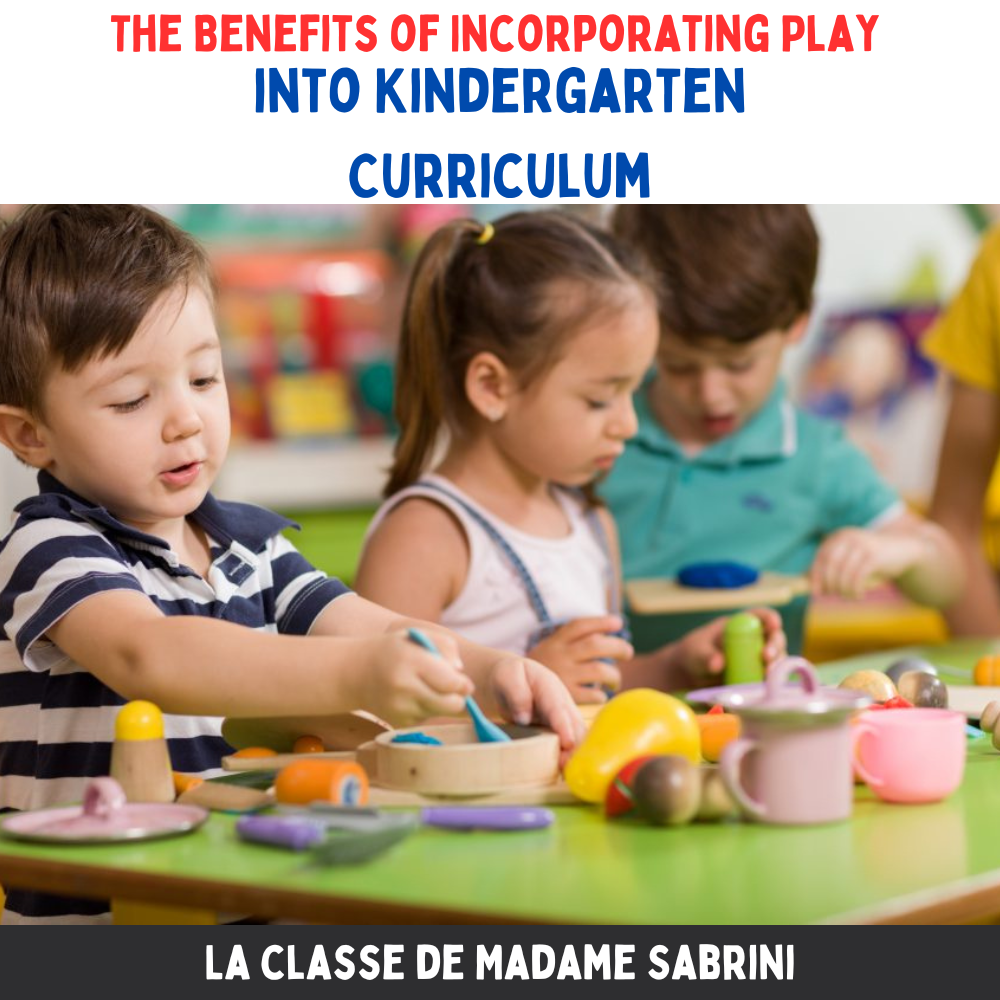
The Benefits of Incorporating Play into Kindergarten Curriculum

This post may contain affiliate links which means I may receive a commission for purchases made through links. I will only recommend products that I have personally used! Learn more on my Private Policy page. Play is an essential part of learning for young children, especially in the early years of kindergarten. Incorporating play into the kindergarten curriculum can help children develop important skills such as critical thinking, problem solving, and socialization. With the right balance of play-based learning, students can explore their interests and grow both academically and personally. This blog post will discuss the benefits of incorporating play into the kindergarten curriculum and how it can lead to successful learning outcomes. What is play-based learning? Play-based learning is an approach to teaching that encourages kids to engage in activities that are fun and enjoyable. Unlike traditional teaching methods, which focus on imparting knowledge through lectures, play-based learning encourages kids to actively explore the world around them. This approach allows teachers to incorporate learning into everyday activities, such as games and imaginative play. By engaging in these activities, kids are able to learn through experience, rather than through rote memorization or passive absorption of information. Play-based learning is an effective way for teachers to help kids develop critical thinking skills, problem-solving abilities, and social and emotional competencies. Additionally, it helps to foster a lifelong love of learning by making the educational process more engaging and enjoyable. Why is it important? Play is an integral part of childhood and serves as a vehicle for children to learn and explore the world around them. It allows children to interact with their environment and make connections through hands-on experiences. When learning is fun and engaging, children are more likely to retain information and have a positive attitude towards education. Incorporating play into the curriculum helps foster a love for learning that will last a lifetime. Furthermore, play-based learning helps develop crucial skills such as social and emotional intelligence, problem-solving, and critical thinking. By interacting with others in play situations, children learn to cooperate, communicate, negotiate, and empathize. They also learn to regulate their emotions and cope with different situations. Finally, play-based learning supports the development of creativity and imagination. Children can explore different roles and scenarios in play, and this stimulates their imagination. They can create their own narratives and stories, which enhances their literacy skills and vocabulary. Overall, play-based learning is important because it promotes holistic development and prepares children for academic success. It encourages children to learn through exploration, experimentation, and inquiry, rather than simply memorizing facts and figures. By incorporating play into the curriculum, educators can create a more engaging and meaningful learning experience for their students. What are the benefits? Play-based learning in kindergarten has been gaining popularity in recent years as educators realize the many benefits it offers. Here are some of the key advantages of incorporating play into the curriculum: 1. Improved cognitive development: Through play, children are given opportunities to learn and practice problem-solving, critical thinking, and decision-making skills. This can help improve their cognitive development, preparing them for future academic success. 2. Increased socialization: Play provides an opportunity for children to engage with their peers, fostering social skills such as cooperation, communication, and empathy. 3. Boost in creativity: Play is an outlet for imagination and creativity, allowing children to express themselves in unique and innovative ways. This can have a positive impact on their overall creativity and artistic abilities. 4. Enhanced physical development: Play encourages physical activity and movement, which is essential for children’s overall health and well-being. By providing a variety of play-based activities, children can improve their motor skills, balance, and coordination. 5. Positive attitude towards learning: When children are engaged in playful activities, they often have a positive attitude towards learning and are more motivated to participate in classroom activities. This can create a love for learning that can last a lifetime. Overall, play-based learning in kindergarten offers a multitude of benefits that can impact a child’s overall development. By incorporating playful activities into the curriculum, teachers can help create a positive and engaging learning environment for their students. How can teachers incorporate it into their classrooms? The first step in incorporating play-based learning into the classroom is to make sure that there is ample time set aside for play. This may involve restructuring the daily schedule to include more play-based activities. Teachers can also incorporate play-based learning by designing classroom activities that are interactive and encourage creativity. For example, building blocks can be used to teach geometry, while drawing and coloring activities can promote creativity and develop fine motor skills. Incorporating technology such as educational apps and games can also be a great way to encourage play-based learning. There are many educational apps available that can help students develop critical thinking, problem-solving skills, and more. Finally, it’s important to create a classroom environment that is conducive to play-based learning. This means providing a safe and comfortable space for students to play and explore. Teachers can also encourage socialization and teamwork through group activities and play. By incorporating play-based learning into the kindergarten curriculum, teachers can provide a fun and engaging learning experience for their students while also promoting cognitive, emotional, and social development. If you want to learn more about activities to add in a classroom environment that is conducive to play-based learning, click here now

The Benefits of Incorporating Play into Kindergarten Curriculum Read More »

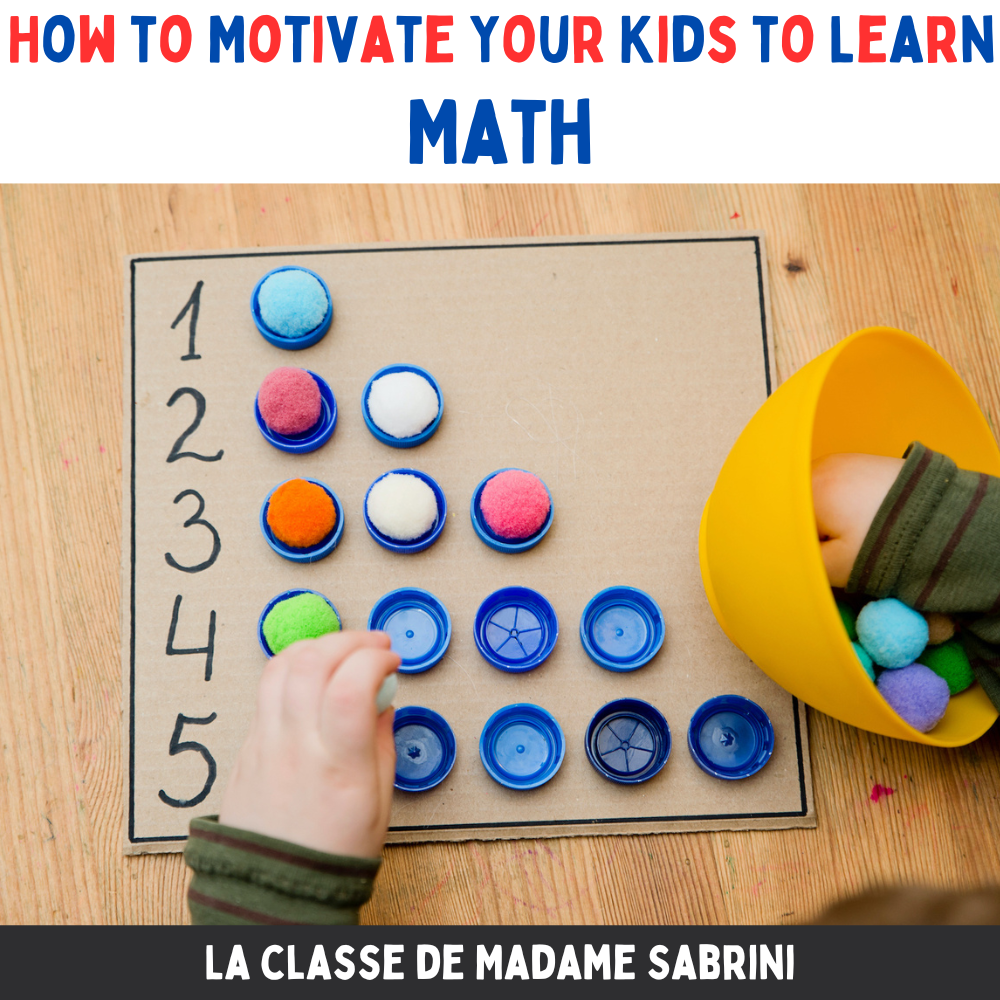
How to Motivate Your Kids to Learn Math

This post may contain affiliate links which means I may receive a commission for purchases made through links. I will only recommend products that I have personally used! Learn more on my Private Policy page. Learning math can be a challenge for kids of all ages. It can be difficult to motivate children to focus on their math skills, especially when there are so many other activities that can capture their attention. Fortunately, there are plenty of creative and engaging ways to help your kids develop a love for math and build the necessary skills they need. In this blog post, we will discuss some helpful strategies for motivating your kids to learn math. Why is math important for kids? Mathematics is a fundamental skill that every child needs to learn and master. From counting and basic arithmetic to more complex problem-solving skills, math plays a crucial role in daily life. Here are some reasons why math is so important for kids: 1. Helps with cognitive development: Learning math involves developing critical thinking, analytical, and problem-solving skills that can be applied in many areas of life. 2. Enhances decision-making: The ability to make informed decisions is critical for success in life, and math provides a framework for rational decision-making. 3. Provides a foundation for STEM fields: Science, technology, engineering, and mathematics (STEM) fields rely heavily on math. Developing strong math skills from an early age can open up doors to exciting careers in these areas. 4. Builds confidence: Mastery of math concepts can boost children’s self-esteem and give them a sense of accomplishment that can be carried forward into other areas of life. 5. Improves communication: Math is a universal language that transcends borders and cultures. Children who learn math well can better communicate their ideas and thoughts, no matter where they are in the world. It’s crucial for parents and teachers to work together to ensure that children are exposed to and encouraged to learn math at an early age. With the right motivation and resources, kids can master math and unlock a world of possibilities. Common challenges kids face when learning math Learning math can be challenging for kids. Many factors can contribute to this, but some common challenges include: 1. Difficulty with basic math skills – Some children may struggle with basic math concepts like addition, subtraction, multiplication, and division. 2. Lack of interest – Math can seem dry and uninteresting to some kids, which can make it difficult for them to engage with the subject. 3. Lack of confidence – Children who lack confidence in their math abilities may feel intimidated by math problems and may be hesitant to ask for help from teachers or parents. 4. Fear of failure – Many children may fear that they will fail at math, which can create anxiety and make it harder for them to focus on learning. 5. Learning differences – Children with learning differences, such as dyslexia or ADHD, may have a harder time learning math. Teachers can help address some of these challenges by creating a supportive and engaging learning environment and offering additional support to students who need it. Parents can also play a role in helping their kids overcome these challenges by encouraging a positive attitude towards math, offering support and guidance when needed, and finding creative ways to make math fun and interesting. Tips for parents to motivate their kids to learn math Mathematics is a fundamental subject that children need to excel in for their future. However, not all kids have the motivation to learn math. If you are a parent, you have the power to ignite your child’s interest in math. Here are some tips that you can use to motivate your kids to learn math: 1. Show them the relevance of math in everyday life: Children tend to learn more effectively when they understand how a subject applies to their lives. You can use real-life examples to help them understand the importance of math in things like money management, cooking, and measuring. 2. Praise and encourage your child’s efforts: Children thrive on encouragement and positive reinforcement. Praise them for their efforts in solving math problems, even if they get the answer wrong. Encouraging them to keep trying will increase their confidence in the subject. 3. Set achievable goals: Setting achievable goals helps your child focus on what they want to achieve. The goals should be realistic, measurable, and attainable. This will help them stay motivated as they work towards their targets. 4. Use fun math games: Math games can help children understand concepts and retain knowledge better than just studying from a textbook. Use games like puzzles, quizzes, and board games to make learning math fun and engaging. 5. Provide support: Children need to feel supported when learning math. As a parent, you can offer support by helping them with homework, attending parent-teacher conferences, or hiring a tutor to help them grasp challenging concepts. By following these tips, you can help your child overcome any challenges they face when learning math. Remember to be patient and supportive throughout their journey, and most importantly, make learning math enjoyable for them. Fun ways to incorporate math into everyday activities Kids learn best when they are having fun and are engaged in the learning process. Here are some fun and simple ways to incorporate math into everyday activities: 1. Cooking: Involve your kids in measuring ingredients and calculating cooking times. For example, if a recipe calls for 1/2 cup of flour and you need to double the recipe, ask your child how much flour you will need. 2. Grocery Shopping: Turn grocery shopping into a math lesson by asking your child to compare prices and calculate the cost per unit. For example, if one item costs $3.00 for 12 ounces and another costs $4.50 for 18 ounces, which is the better deal? 3. Counting Games: Make counting fun by incorporating it into games. Count how many steps you take to get to

How to Motivate Your Kids to Learn Math Read More »

Scroll to Top