Alphabet

Phonics

Literacy

Math

Centers

Fine Motor
and Crafts

Teacher
Tips

Author name: sabrini025

The ABCs of Setting Up a Successful Literacy Center

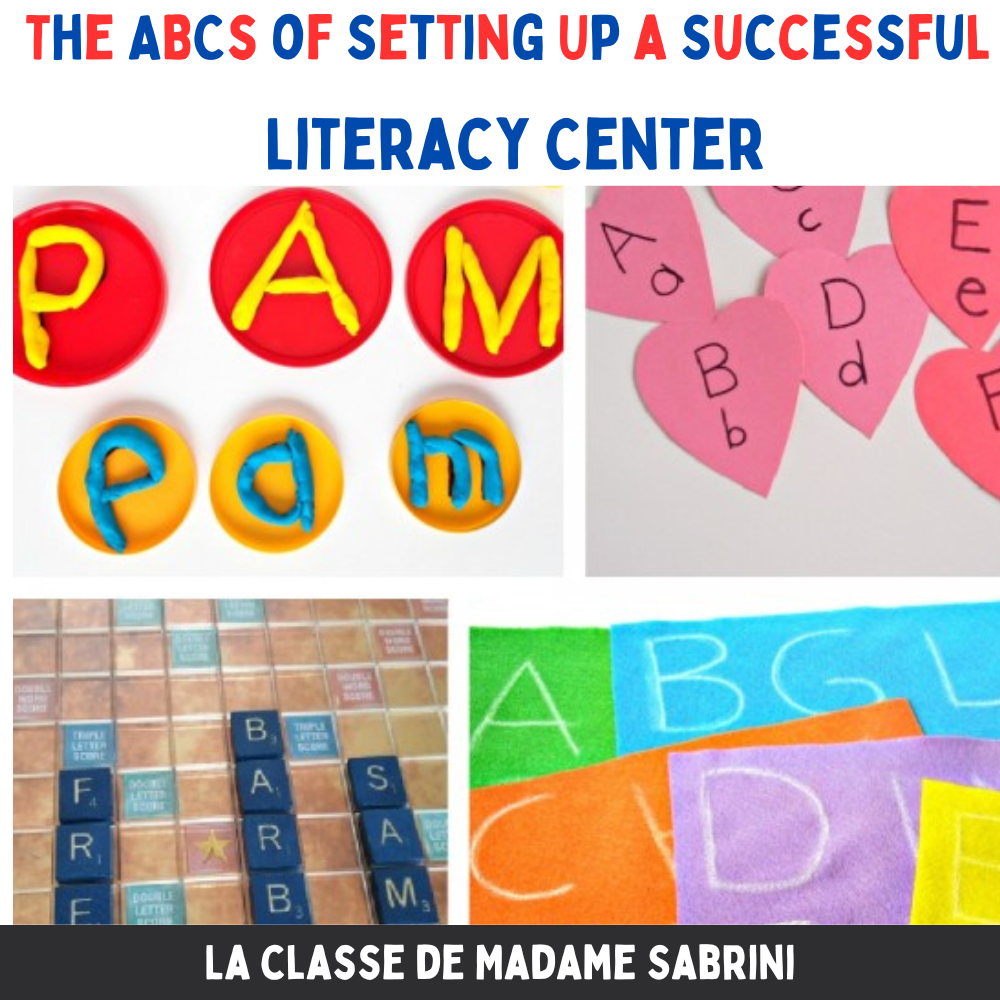
This post may contain affiliate links which means I may receive a commission for purchases made through links. I will only recommend products that I have personally used! Learn more on my Private Policy page. Literacy is a fundamental skill that sets the foundation for success in all aspects of life. As educators, we understand the importance of developing this skill in children from a young age. One effective way to do this is through setting up a literacy center. A literacy center is a designated area in the classroom where students can engage in various activities that foster their reading, writing, and communication skills. In this post, we’ll be walking you through the ABCs of setting up a successful literacy center that engages and challenges young learners. What is a Literacy Center? A literacy center is a designated area in the classroom where kids can learn and practice various literacy skills through fun and engaging activities. These centers can be set up for different reading and writing skills, such as phonics, sight words, writing prompts, or even storytelling. The goal of a literacy center is to create an environment that encourages children to develop their language and literacy abilities in a hands-on way. Whether you’re a teacher or a parent, setting up a literacy center can be an excellent way to promote reading and writing skills in children while keeping them excited about learning. How to Choose the Right Materials When it comes to setting up a successful literacy center for kids, choosing the right materials is key. You want to ensure that the materials you select will engage and excite your young learners while also helping them to learn and grow. One of the most important factors to consider when choosing materials is age appropriateness. Be sure to select materials that are suitable for the age and skill level of your students. You don’t want to overwhelm them with materials that are too difficult, nor do you want to bore them with materials that are too easy. Another important consideration is variety. You want to provide a wide range of materials that cater to different learning styles and preferences. For example, some kids may prefer hands-on activities, while others may enjoy reading or writing. Be sure to include materials that cater to these different learning styles to ensure that all kids are engaged and excited to learn. Finally, it’s important to choose materials that are fun and engaging. This could include games, puzzles, books, and other activities that capture kids’ attention and make learning feel like play. Remember, the more fun and enjoyable the materials, the more likely kids are to want to learn and participate. By keeping these factors in mind when selecting materials, you can set your literacy center up for success and ensure that your kids are engaged, motivated, and excited to learn. How to Set Up Your Literacy Center Once you’ve chosen the right materials for your literacy center, it’s time to set it up! Here are some steps to get you started: 1. Decide on a location: Choose a quiet corner of the room where your students can focus on reading and writing. If possible, choose a spot with natural light or a cozy seating area. 2. Organize your materials: Make sure your materials are easy to access and well-organized. This can include book bins, writing supplies, literacy games, and other materials specific to the activities you have planned. 3. Create clear labels: Use clear labels to make it easy for your students to find and use materials independently. Label book bins with the reading level or genre, and label writing supplies with clear descriptions. 4. Set up task cards: Use task cards to help guide your students’ independent work at the literacy center. Include instructions for the activity and any materials needed. Laminate the task cards for durability and reuse. 5. Create a routine: Establish a clear routine for your literacy center, including how students will rotate through activities, how they will check in and out of the center, and any rules or expectations. By setting up your literacy center in an organized and thoughtful way, you’ll create an inviting space where your students can develop their literacy skills and grow as readers and writers. How to Manage Your Literacy Center Managing your literacy center is crucial to its success. You want to make sure that your students are engaged and learning during their time at the center. Here are some tips on how to manage your literacy center effectively: 1. Establish rules and routines: Before you start your literacy center, make sure to establish rules and routines. This will help your students know what to expect and what is expected of them. Set clear rules for behavior, noise level, and sharing materials. Make sure to review the rules with your students regularly to ensure they remember them. 2. Keep materials organized: One of the keys to managing your literacy center is keeping materials organized. Make sure all materials are labeled and stored in designated areas. This will help your students know where to find materials and where to put them back when they are finished. 3. Monitor student progress: Check in on your students regularly to see how they are doing. Keep track of their progress and adjust your lessons and activities accordingly. This will help ensure that your students are getting the most out of their time at the literacy center. 4. Provide feedback: Provide feedback to your students on their progress. Let them know what they are doing well and what they can improve on. This will help motivate them to continue learning and improving. 5. Rotate activities: To keep your literacy center fresh and engaging, rotate activities regularly. Introduce new activities and books to keep your students interested and excited about learning. This will help ensure that they are always learning and engaged. Managing your literacy center can be a lot of work, but it is worth

The ABCs of Setting Up a Successful Literacy Center Read More »
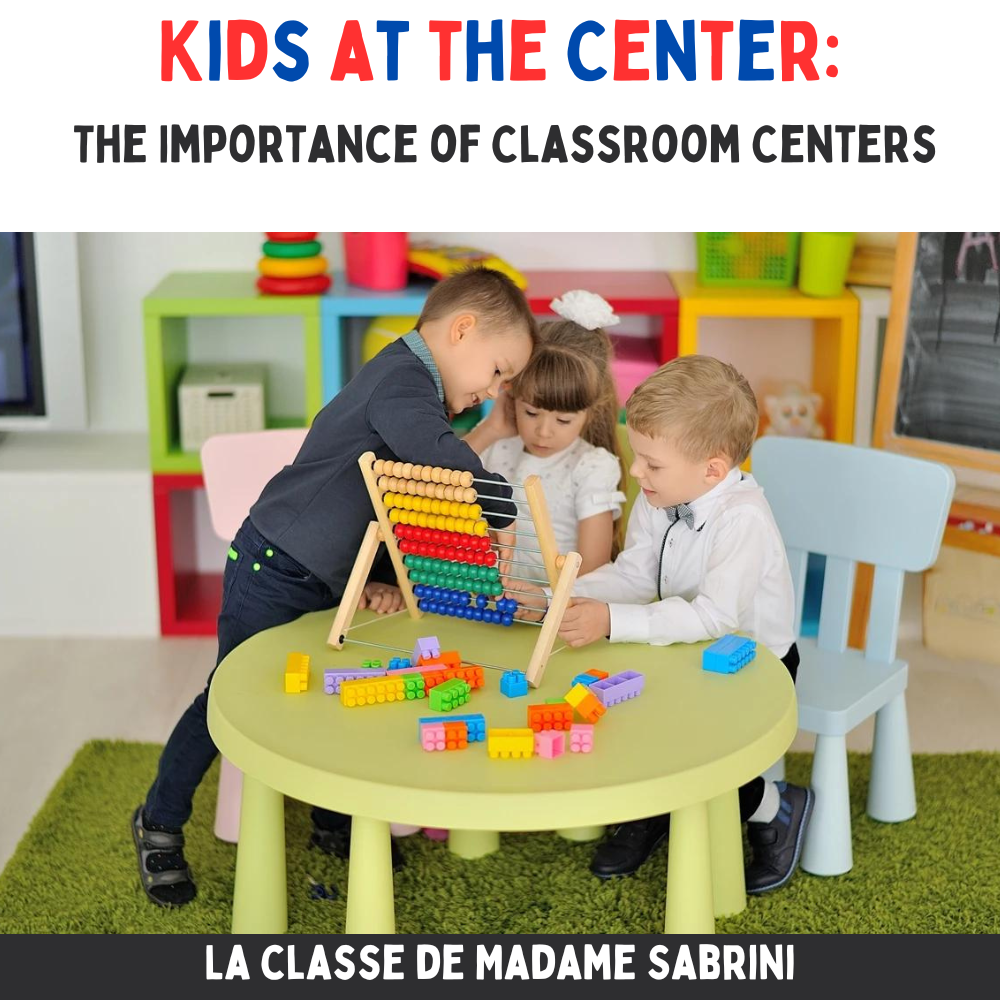
Kids at the Center: The Importance of Classroom Centers

It’s no secret that kids learn best when they are engaged and having fun. One of the most effective ways to ensure learning success is through the use of kids’ centers in the classroom. Kids centers provide a hands-on, interactive environment where students can practice a variety of skills and concepts in a creative and stimulating way. In this blog post, we will discuss the importance of classroom centers and how they can be used to create an engaging learning atmosphere for all students. What are classroom centers? Classroom centers are designated areas in the classroom where students can engage in learning activities and explore new concepts through play and hands-on experiences. These centers are created by teachers to promote independent learning and provide opportunities for children to practice important skills in a fun and engaging way. Centers typically consist of various stations or areas, each with a specific focus and set of materials. For example, a reading center might include books, reading logs, and comfortable seating, while a science center might have lab equipment and materials for experiments. By incorporating centers into their classroom, teachers can help students develop essential skills such as problem-solving, critical thinking, creativity, and communication. Centers can also promote social interaction, teamwork, and collaboration among students. Overall, centers are an effective way to enhance the learning experience for children and provide a fun and engaging way to reinforce important concepts and skills. Whether you are a seasoned teacher or just starting out, incorporating centers into your classroom can be a great way to promote independent learning and encourage student success. How do centers help kids learn? Centers are more than just a fun break from traditional classroom instruction; they are valuable tools that can enhance learning in a variety of ways. Centers allow children to work independently and at their own pace, providing opportunities for them to explore and experiment with concepts and skills on their own terms. Centers also promote social interaction and collaboration, helping children to develop important communication and teamwork skills. In addition to promoting independent learning and social development, centers can also help to reinforce key concepts and skills in a variety of subjects. For example, centers can be used to practice math facts or to explore science concepts through hands-on activities. Language arts centers can be used to practice reading, writing, and language skills, while social studies centers can help children to develop an understanding of geography and cultural diversity. Overall, centers offer a way to personalize learning for each child and help them to develop key skills in a way that is engaging and enjoyable. By providing children with a variety of activities and experiences, centers can help to promote deeper learning and better understanding of key concepts. So, whether you are a teacher or a parent, consider incorporating centers into your child’s learning experience – they are sure to benefit in a variety of ways! What types of activities can be done at centers? Classroom centers offer endless opportunities for children to engage in fun and educational activities. These activities should be age-appropriate and cater to the interests of the children. Here are some examples of activities that can be done at centers: 1. Art Center: Children can engage in painting, drawing, sculpting, or even create their own books. This allows them to express themselves creatively and develop fine motor skills. 2. Reading Center: Children can read books, listen to stories, or even act out their favorite stories with puppets or costumes. This promotes literacy and enhances comprehension skills. 3. Math Center: Children can use manipulatives like counting bears or blocks to learn counting, addition, subtraction, or even geometry. This helps them understand mathematical concepts in a hands-on manner. 4. Science Center: Children can engage in science experiments, learn about different plants and animals, or even observe the weather. This allows them to develop scientific thinking and curiosity. 5. Dramatic Play Center: Children can role-play in a kitchen, doctor’s office, or even a grocery store. This promotes social skills and allows them to learn about different occupations and responsibilities. 6. Sensory Center: Children can explore different textures, smells, and colors through sensory activities like playdough, sand, or water play. This helps them develop their senses and stimulates their imagination. Overall, centers allow children to explore and learn at their own pace while promoting social and emotional development. It is important to rotate activities and materials to keep children engaged and motivated. How do I set up centers in my classroom? Setting up centers in your classroom can seem like a daunting task, but with some careful planning and organization, it can be a valuable addition to your curriculum. Here are some tips for getting started: 1. Decide on the types of centers you want to have. Some examples include literacy, math, science, art, and dramatic play. 2. Determine the materials and resources needed for each center. For example, a literacy center might include books, alphabet blocks, and writing materials. 3. Choose a designated area in your classroom for each center. Make sure there is enough space for students to work comfortably and store their materials. 4. Label each center with a clear and easy-to-read sign so that students know where to go and what activities are available. 5. Consider rotating materials and activities within each center to keep things fresh and engaging for your students. 6. Make sure that each center has clear rules and expectations for behavior and cleanup. It’s also helpful to assign specific students to be responsible for maintaining each center. By setting up centers in your classroom, you’re giving your students the opportunity to explore and learn in a way that is both fun and educational. With a little bit of effort and planning, centers can become a highlight of your daily routine. How do I manage centers in my classroom? Once you have set up your classroom centers, it’s important to manage them effectively to ensure that your students are getting the

Kids at the Center: The Importance of Classroom Centers Read More »

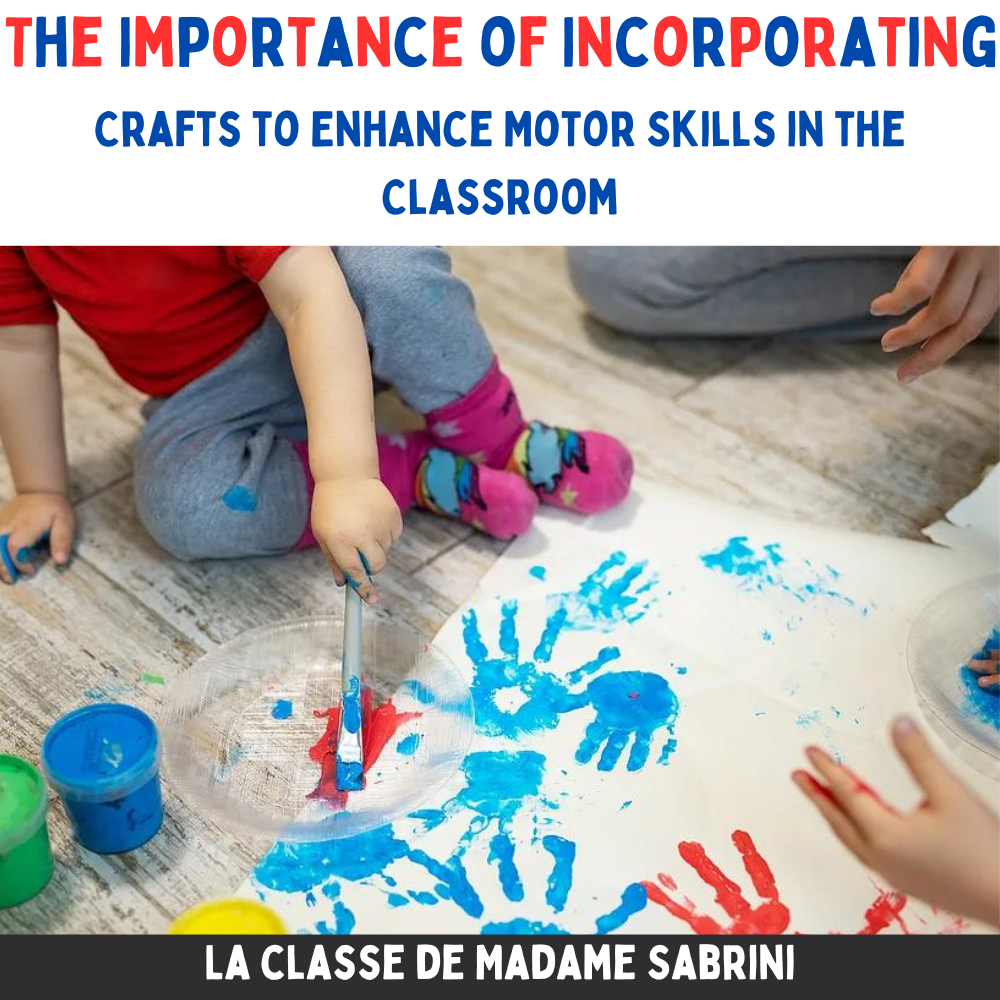
The Importance of Incorporating Crafts to Enhance Motor Skills in the Classroom

This post may contain affiliate links which means I may receive a commission for purchases made through links. I will only recommend products that I have personally used! Learn more on my Private Policy page. Crafts can play an important role in helping children develop motor skills in the classroom. When done correctly, crafts can provide students with a hands-on learning experience that allows them to work on fine motor skills and encourages creativity. Incorporating crafts into the classroom environment can help students develop eye-hand coordination, practice concentration, and strengthen fine motor muscles. In this blog post, we will explore the importance of using crafts to enhance motor skills in the classroom. What are motor skills? Motor skills refer to the ability to control the movements of muscles and perform tasks that involve hand-eye coordination, balance, and body control. These skills are essential for kids as they play a crucial role in their overall development. They are divided into two types: gross motor skills and fine motor skills. Gross motor skills involve the larger muscles in the body and are necessary for movements such as running, jumping, and throwing. Fine motor skills, on the other hand, involve smaller muscles and are necessary for more delicate movements such as holding a pencil, tying shoelaces, or cutting with scissors. It is crucial for kids to develop both types of motor skills to perform daily activities effectively and prepare them for academic tasks. How do crafts help develop motor skills? Crafts can be a fun and effective way for kids to develop their motor skills. By engaging in crafting activities, children are able to use and strengthen the muscles in their hands and fingers, which are essential for fine motor control. Additionally, crafts can help improve hand-eye coordination, as children learn to manipulate materials and tools while focusing on a specific task. This coordination is important not just for crafts, but for everyday activities such as writing and using utensils. Finally, crafts also provide opportunities for children to practice their dexterity and grip strength, which are necessary for a variety of activities ranging from buttoning a shirt to tying shoes. In short, incorporating crafts into your classroom can be a valuable way to help your students develop important motor skills in a fun and engaging way. What are some specific crafts that can help develop motor skills? Crafts can help enhance fine motor skills, hand-eye coordination, and overall dexterity in children. Here are some specific crafts that you can incorporate in your classroom to help develop motor skills: 1. Playdough – rolling, shaping, and cutting playdough helps improve finger strength and hand dexterity. 2. Cutting and Pasting – this craft involves cutting paper into shapes and then pasting them onto another paper. It helps develop hand-eye coordination and hand dexterity. 3. Painting – holding a brush and painting strokes can enhance fine motor skills and hand-eye coordination. 4. Beading – stringing beads helps improve hand-eye coordination and fine motor skills. 5. Clay modeling – kneading, rolling, and shaping clay enhances finger strength and hand dexterity. These crafts are easy to incorporate into your lesson plans and can be adjusted according to the age and ability level of your students. Encourage your students to be creative and allow them to experiment with different materials and techniques to help develop their motor skills. How can I incorporate crafts into my classroom? Crafts can be easily incorporated into any classroom and can provide endless benefits for children’s motor skills development. Here are a few ideas on how to introduce crafts into your classroom: 1. Set up a craft station: Set up a designated area in your classroom for crafts. This could be a table or a corner with storage for materials. Having a craft station readily available will encourage students to engage in crafts whenever they feel inspired. 2. Provide a variety of materials: Make sure to have a variety of materials available for the students to use. This could include paper, glue, scissors, paint, markers, yarn, and other crafting supplies. Different materials will allow students to experiment and develop different motor skills. 3. Plan craft activities: Incorporate craft activities into your lesson plans. For example, you could have the students create a poster to illustrate what they learned in class that day. This will provide an opportunity for the students to practice their fine motor skills while also reviewing the lesson material. 4. Use craft activities as rewards: Use craft activities as a reward for good behavior or completed assignments. This will incentivize students to work harder and behave better while also giving them an opportunity to engage in a fun and creative activity. 5. Collaborate with parents: Collaborate with parents to organize a craft day where parents can come in and help students create crafts. This will allow students to interact with their parents while also practicing their motor skills. Incorporating crafts into your classroom is easy and provides numerous benefits for your students. By providing a space and materials for your students to engage in crafting, you are creating an environment that fosters creativity, develops motor skills, and encourages self-expression. So go ahead and introduce some fun and creative crafts into your classroom today! If you want to learn more about crafts to incorporate in your classroom, click here now

The Importance of Incorporating Crafts to Enhance Motor Skills in the Classroom Read More »

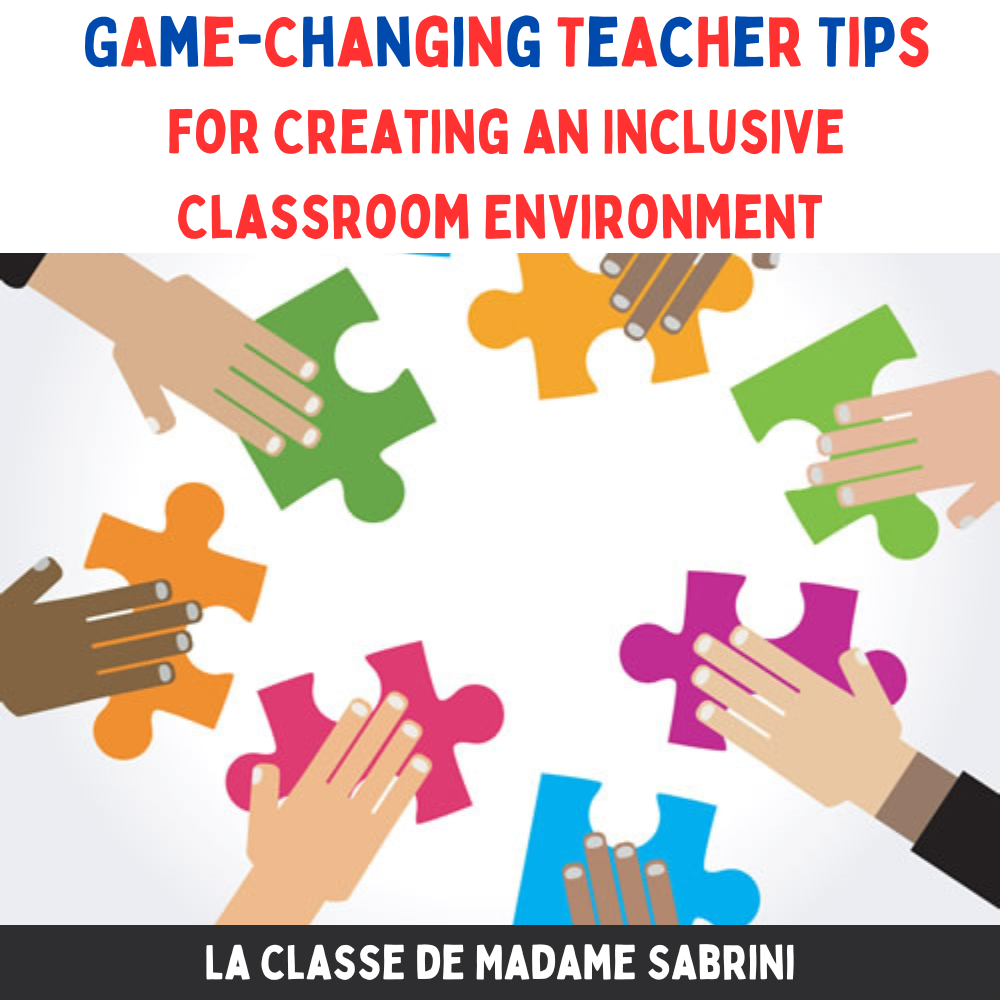
Game-Changing Teacher Tips for Creating an Inclusive Classroom Environment

  As teachers, we all strive to create a safe and inclusive classroom environment for our students. But sometimes it can be difficult to know exactly how to achieve this. Fortunately, there are tips and strategies we can use to create a game-changing classroom environment. In this blog post, we will explore one of these tips and discuss why it can be so effective for teachers looking to create an inclusive environment in their classroom. Understanding the Importance of Inclusivity in the Classroom As an educator, it’s essential to understand the significance of inclusivity in the classroom. Creating an environment that welcomes and celebrates diversity is crucial in fostering positive relationships between students, promoting a sense of belonging, and ultimately improving academic performance. Inclusive classrooms prioritize the needs and perspectives of all students, regardless of their cultural or socio-economic backgrounds. By embracing and valuing diversity, we can create a safe and nurturing learning environment that encourages everyone to reach their full potential. Moreover, inclusive classrooms provide a unique opportunity to break down stereotypes and promote cultural awareness. As educators, it’s our responsibility to ensure that our students understand and appreciate the diverse world around them. By creating a welcoming and inclusive learning space, we can inspire empathy, respect, and a deep appreciation for the richness of different cultures. Overall, promoting inclusivity in the classroom isn’t just about checking off a box. It’s about creating a learning environment that promotes personal growth, academic excellence, and social consciousness. As educators, it’s our responsibility to strive for inclusivity in every aspect of our teaching, and ensure that all students feel valued and supported. Identifying and Addressing Implicit Biases Implicit biases are attitudes or stereotypes that unconsciously affect our perceptions, behaviors, and decisions. As educators, we must acknowledge and confront our implicit biases to ensure that we are creating a truly inclusive classroom environment. To begin with, take some time to reflect on your personal beliefs and experiences that may have shaped your biases. You can also take an Implicit Association Test to identify your unconscious biases. Once you have identified your biases, it is crucial to address them. One way to address implicit biases is by educating yourself about different cultures and backgrounds. This includes learning about their customs, traditions, and history. Additionally, actively seek out diverse perspectives, opinions, and resources when planning your lessons. Another approach is to challenge stereotypes and biases when they arise. For instance, if a student makes a comment that is offensive or reinforces stereotypes, address it in a constructive way. This helps create a safe and respectful space for all students, where they feel heard and valued. Ultimately, identifying and addressing implicit biases requires ongoing reflection, education, and dialogue. It may feel uncomfortable at first, but it is necessary to cultivate an inclusive classroom environment that fosters growth and learning for all students. Creating a Safe Space for All Students As an educator, it’s your responsibility to ensure that your classroom is a safe and inclusive space for all students. A safe space is one where students feel respected, supported, and valued, regardless of their race, ethnicity, gender, religion, sexuality, or ability. Here are some tips for creating a safe space in your classroom: 1. Set clear expectations: At the beginning of the school year, establish clear expectations for how students should treat each other. Emphasize the importance of kindness, empathy, and respect for diversity. 2. Address any incidents of discrimination or bullying immediately: If you witness any incidents of discrimination or bullying, take immediate action. Talk to the students involved and make it clear that such behavior is not acceptable. 3. Create a welcoming environment: Make sure your classroom is welcoming to all students. Display posters or pictures that celebrate diversity, and consider incorporating inclusive literature into your curriculum. 4. Foster a sense of community: Encourage students to get to know each other and work together. Plan team-building activities or group projects that promote collaboration and cooperation. 5. Be aware of power dynamics: Be mindful of power dynamics that may exist in your classroom. Make sure that all students have equal opportunities to participate and be heard. Remember, creating a safe and inclusive space is an ongoing process. Be open to feedback from your students and continuously work to improve your practices. By doing so, you can create a classroom environment that empowers all students to learn and grow. Using Inclusive Language One simple but powerful way to create an inclusive classroom environment is by using inclusive language. Inclusive language refers to language that avoids exclusion, discrimination, or marginalization of particular groups. This includes avoiding gendered language, ableist language, and language that reinforces stereotypes or prejudice. When using language in the classroom, it’s important to be aware of the impact it can have on students. For example, using “he” as a default pronoun can exclude students who identify as non-binary or use different pronouns. Similarly, using ableist language such as “crazy” or “lame” can stigmatize students with disabilities. Here are some tips for using inclusive language in the classroom: 1. Use gender-neutral language: Instead of using “he” or “she,” use “they” or “their.” You can also use “students” or “classmates” instead of “boys and girls.” 2. Avoid ableist language: Replace terms like “crazy,” “insane,” or “lame” with more neutral language. You can use phrases like “that’s surprising,” “that’s wild,” or “that’s unfortunate.” 3. Be mindful of cultural references: Avoid using cultural references that may not be familiar to all students. Instead, provide context or explanation if necessary. 4. Emphasize the individual: Focus on the person rather than their identity or characteristics. For example, instead of saying “the disabled student,” say “the student with a disability.” Using inclusive language in the classroom can help create a safe and welcoming environment for all students. By being mindful of the language we use, we can foster a sense of belonging and respect for all students, regardless of their background or identity. Encouraging Student Voice and Participation One of

Game-Changing Teacher Tips for Creating an Inclusive Classroom Environment Read More »

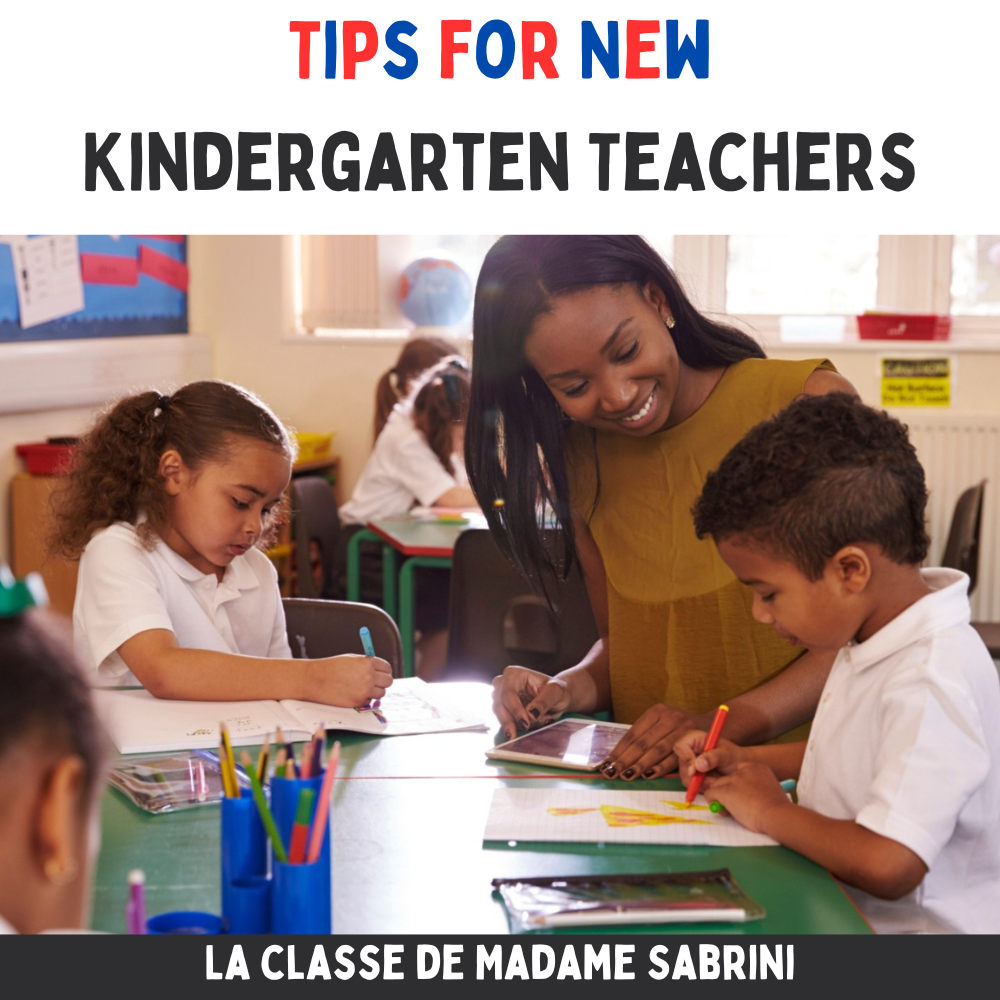
Tips for New Kindergarten Teachers

The exciting and noble endeavor of becoming a kindergarten teacher provides an extraordinary opportunity to shape young minds and establish a foundation for academic and social growth during a critical stage of a child’s development. However, stepping into the classroom for the first time can feel overwhelming. But fear not! In this article, we will provide essential tips and strategies to help you navigate this exciting journey as a new kindergarten teacher.   Establish a Welcoming and Safe Classroom Environment  Creating a warm and inviting classroom environment is vital in fostering a sense of belonging for kindergarten students. Arrange the classroom in a way that encourages exploration and collaboration. Use bright colors, display student work, and incorporate age-appropriate learning centers. Implement clear and consistent rules to maintain order and establish routines that provide security. Get to Know Your Students Every child is unique, and understanding their needs and learning styles is essential. Take the time to learn about your students’ backgrounds, interests, and strengths. Foster open communication with parents to gain insights into their child’s development outside the classroom. This knowledge will help you tailor your teaching strategies and create personalized learning experiences. Develop a Structured Daily Schedule Kindergarten students thrive on routine and predictability. Develop a structured daily schedule that balances academic lessons, playtime, and other activities. Include transitions between activities to help students adjust and minimize disruptions. Be flexible and willing to adapt the schedule but maintain a consistent framework to provide stability. Engage in Active Learning Kindergarten students learn best through hands-on experiences. Incorporate interactive and engaging activities into your lessons. Use educational games, and sensory materials to make learning fun and tangible. Incorporate movement and music to enhance engagement and promote gross motor skills development. Use Developmentally Appropriate Teaching Strategies Remember that kindergarten students are at a crucial stage of development. Use teaching strategies that align with their cognitive and social-emotional abilities. Employ play-based learning, storytelling, and visual aids to make abstract concepts more accessible. Use simple language and provide concrete examples to aid understanding. Encourage Social-Emotional Development Kindergarten is a time when children begin to develop social and emotional skills . Foster a positive classroom community by encouraging empathy, kindness, and cooperation. Teach conflict resolution techniques and provide opportunities for students to express their emotions in a safe and supportive environment. Implement social-emotional learning programs to nurture their emotional intelligence.   By using our essential tips, you will gain the necessary tools to thrive in your new role as a kindergarten teacher, whether transitioning from a different teaching role or freshly graduating college. Establishing a nurturing and engaging classroom environment through these tips will significantly facilitate the development of your students’ foundational skills, setting them up for academic and social success. Remember, teaching is a continuous learning process. Be open-minded and eager to embrace new ideas, seek support when needed, and revel in the gratifying experience of guiding young learners toward their bright future.  

Tips for New Kindergarten Teachers Read More »

Exploring Writing in Kindergarten: Fun and Educational Literacy Centers

As children transition from preschool to kindergarten, one of the key skills they develop is writing. Writing is not just about putting letters together to form words; it also includes skills such as letter recognition, sentence formation, and spelling. Literacy centers provide a perfect platform for kindergartners to develop and improve their writing skills. In this blog post, we explore some of the best literacy centers for kindergarten students that are both fun and educational. What is a literacy center? A literacy center is a designated area in the classroom where students can work on various reading and writing activities independently or with a small group. These centers are created and organized by the teacher, and each one is designed to reinforce and develop different literacy skills in young learners. A well-planned literacy center can be a dynamic learning environment that promotes critical thinking, creativity, and language development. Some examples of literacy centers for kindergarten students may include a writing station, a listening station, a word-building center, a reading corner, or a phonics center. Overall, literacy centers are a valuable tool that allows teachers to differentiate instruction, target specific learning objectives, and foster a love of reading and writing in their students. The importance of writing in kindergarten As a teacher, it’s important to recognize the significance of writing in the development of kindergarten students. Writing is a fundamental skill that helps young learners build language, express ideas, and develop critical thinking skills. Kindergarten is a crucial time for students to develop these skills as they begin to make sense of the world around them and communicate their thoughts and experiences. Writing allows kindergarteners to express their creativity and imagination, and it also helps them learn to structure and organize their ideas. By developing writing skills early on, students can lay the foundation for academic success and become more confident communicators in all areas of their lives. Moreover, writing also serves as an effective tool for assessment and evaluation. As a teacher, you can observe students’ writing abilities and track their progress over time. This information can help you design effective lesson plans and tailor instruction to meet the unique needs of each student. In short, the importance of writing in kindergarten cannot be overstated. It is a key component of language development, critical thinking, and academic success. As teachers, we must prioritize and support writing instruction in order to set our students up for a lifetime of effective communication and learning. The benefits of literacy centers As mentioned earlier, literacy centers offer an excellent opportunity for kindergarten students to engage in interactive and fun activities while improving their writing skills. Here are some of the significant benefits of incorporating literacy centers in the classroom: Encourage Independent Learning: Literacy centers allow students to work independently, helping them develop essential skills like problem-solving, decision-making, and critical thinking. Cater to Different Learning Styles: Every student has their unique learning style, and literacy centers help address individual learning needs. Centers offer a variety of activities, including writing prompts, storytelling, and phonics games, allowing every student to find something that appeals to them. Enhance Creativity: Writing and reading go hand-in-hand in literacy centers. The more exposure students have to different types of texts, the more their imaginations are sparked, encouraging them to think more creatively. Develop Social Skills: Some centers allow students to work together in groups or pairs, promoting communication, collaboration, and teamwork. Boost Confidence: With their ability to work independently and practice their skills in a fun and engaging environment, literacy centers can help boost students’ confidence in their writing abilities. Make Learning Fun: Finally, the best thing about literacy centers is that they make learning fun! By taking a break from traditional classroom activities, students can have a blast while developing valuable literacy skills that will benefit them for years to come. Overall, the benefits of literacy centers in kindergarten are numerous, making them an excellent addition to any classroom. As a teacher, taking the time to set up a variety of centers and incorporating them into your daily routine can help make learning an enjoyable and enriching experience for your students.   The best literacy centers for kindergarten   Letter and sound recognition center: In this center, students can practice recognizing and matching letters with their corresponding sounds. This can be done through various activities like sorting letter blocks, playing letter bingo, and practicing letter formation with playdough. Writing center: The writing center is an essential part of kindergarten literacy centers. Students can practice writing their name, letters, words, and simple sentences. Writing activities like tracing letters, using stampers, and drawing pictures and labeling them can make the writing center fun and engaging for young learners. Listening center: A listening center is a great way to encourage students to love reading and improve their listening skills. Students can listen to books on tape or CDs and follow along in the accompanying book. This activity not only develops listening and comprehension skills, but also helps students improve their reading fluency. Sight word center: In this center, students can practice recognizing and reading sight words, which are words that are commonly used in everyday reading. Activities like sight word memory games, sight word Bingo, and using playdough to form sight words can help reinforce the learning of sight words. Phonemic awareness center: Phonemic awareness is the ability to hear and manipulate individual sounds in spoken words. In this center, students can practice this skill through various activities like rhyming games, sound sorting, and phoneme substitution. Overall, incorporating literacy centers into a kindergarten classroom can be a great way to foster a love of reading and writing while also helping students develop crucial literacy skills. By setting up a variety of centers and incorporating fun and engaging activities, students can learn while also having fun. How to set up a literacy center Setting up a literacy center in your kindergarten classroom is a great way to engage your students in a variety

Exploring Writing in Kindergarten: Fun and Educational Literacy Centers Read More »

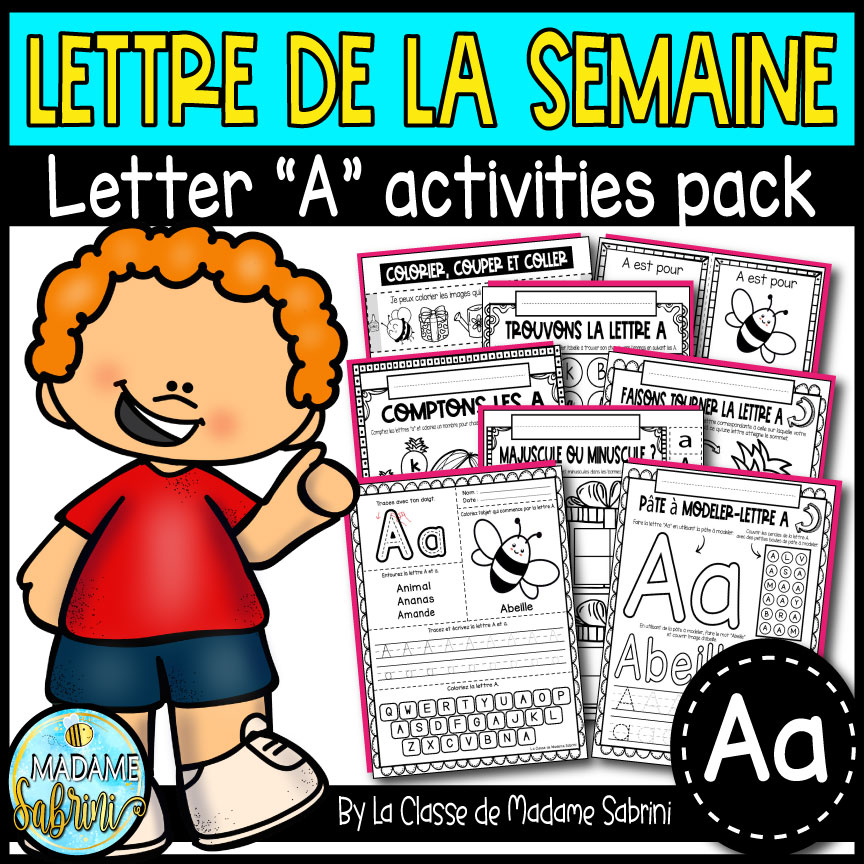
Teaching the Alphabet in Kindergarten

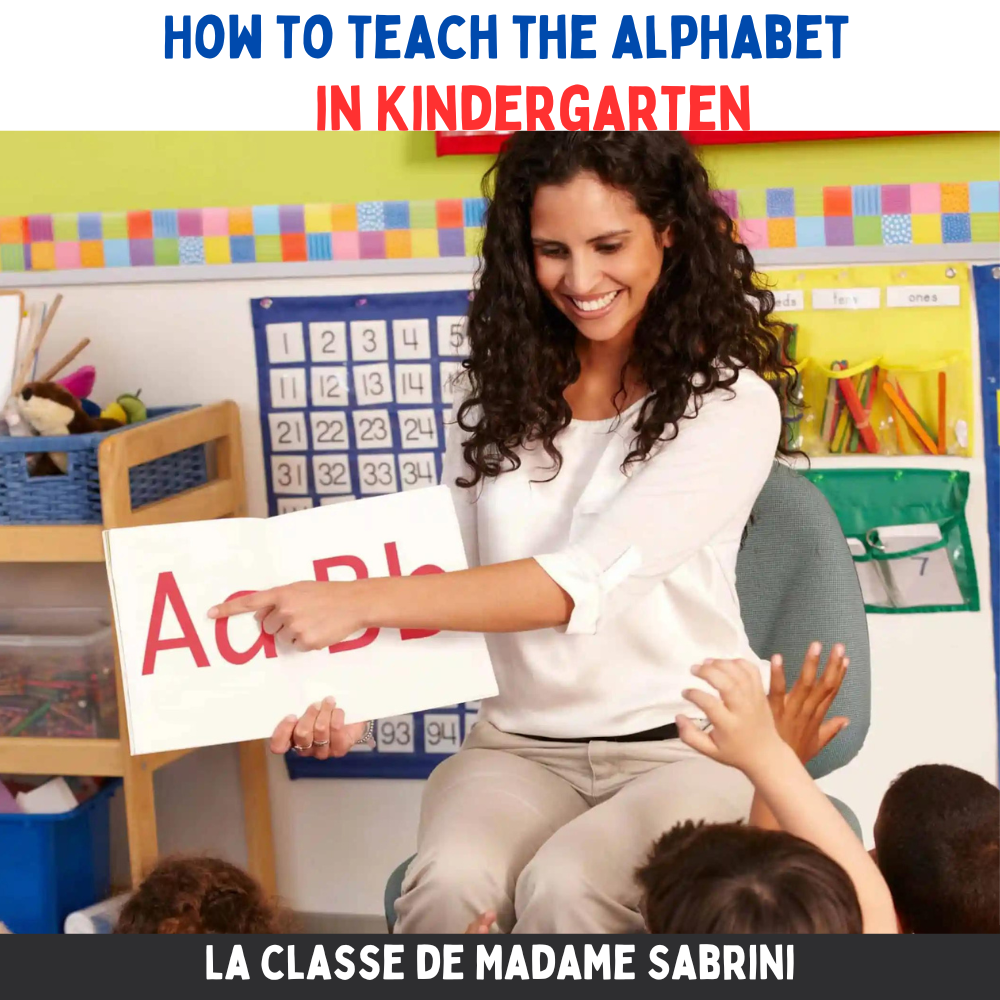
This post may contain affiliate links which means I may receive a commission for purchases made through links. I will only recommend products that I have personally used! Learn more on my Private Policy page. Welcome to the exciting world of teaching the alphabet in kindergarten! As a kindergarten educator, you can lay the groundwork for your student’s language development and literacy skills. Teaching the alphabet forms the bedrock of language development, providing young learners the tools to read, write, and communicate effectively. So, let’s embark on this adventure together as we explore practical strategies and techniques that will make teaching the alphabet in kindergarten an enjoyable and transformative experience for you and your students. How to teach the alphabet in Kindergarten Teaching the alphabet in kindergarten is more than just teaching a set of symbols; it is about instilling a passion for learning, cultivating strong foundations for language development, and empowering young minds to express themselves confidently. By employing effective strategies and creating engaging learning experiences, you can make this process enjoyable and meaningful for your students. Make it Fun and Engaging  Young children learn best when they are actively engaged and having fun. When introducing the alphabet, incorporate interactive activities that capture their attention. Utilize games, songs, and hands-on experiences to create a lively and enjoyable learning environment. For instance, alphabet puzzles, letter-sound matching games, and sensory activities like tracing letters in sand or shaving cream can make learning memorable and exciting. Use Multisensory Approaches  Kindergarten learners have diverse learning styles, and using multisensory approaches can enhance their understanding and retention of alphabet concepts. Engage multiple senses simultaneously by incorporating visual aids, tactile materials, auditory cues, and kinesthetic activities. For example, displaying colorful alphabet charts, providing textured letters to touch and trace, chanting letter rhymes, and encouraging students to move and form letters with their bodies physically can reinforce learning in various ways. Introduce Letter-Sound Associations Connecting letters with their corresponding sounds is a crucial step in alphabet instruction. Incorporate phonics-based activities to help kindergarteners grasp the relationship between letters and the sounds they represent. Utilize phonics games, interactive apps, and read-aloud sessions where children identify letter sounds in words. Engaging in sound discrimination activities, such as sorting objects based on initial sounds or playing “I Spy” with specific letter sounds, can further reinforce letter-sound associations and build phonemic awareness. Encourage Meaningful Language Activities  As children become familiar with individual letters and sounds, encourage them to explore language meaningfully. Engage kindergarteners in activities that connect letters to words, such as creating alphabet books or labeling classroom objects. Moreover, encourage students to form simple words using the letters they have learned, fostering their vocabulary development and expanding their understanding of the alphabet’s significance in written communication. Teaching the alphabet in kindergarten is a pivotal milestone in children’s language development. By employing engaging and interactive strategies, incorporating multisensory approaches, facilitating letter-sound associations, and encouraging meaningful language activities, educators can create a solid foundation for their students’ literacy skills. As kindergarteners embark on their journey of language exploration, the knowledge and enthusiasm they gain during alphabet instruction will pave the way for successful reading, writing, and communication throughout their academic lives.

Teaching the Alphabet in Kindergarten Read More »

The Benefits of Using “All About Number” Worksheets within Kindergarten

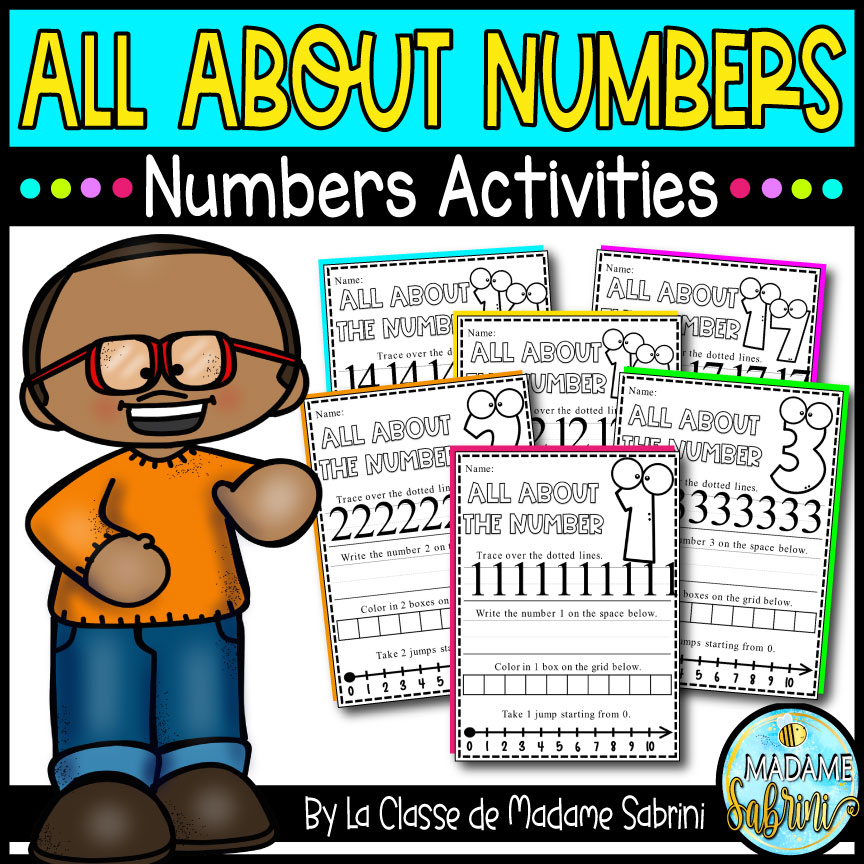
In the early years of education, building a strong foundation in numerical skills is crucial for a child’s academic development. One effective tool that has gained popularity among kindergarten teachers is the use of “All About Number” worksheets. These worksheets offer a structured and engaging approach to teach children about numbers, counting, and basic mathematical concepts. In this blog post, we will explore the benefits of incorporating these worksheets into kindergarten classrooms, highlighting the positive impact they can have on a child’s early numeracy skills. Promotes Number Recognition and Counting “All About Number” worksheets are designed to help young learners recognize and identify numbers from 1 to 10 (or higher). Through various exercises, such as matching, tracing, and coloring, children develop their ability to identify numerals and associate them with the corresponding quantity. These worksheets also facilitate counting practice, allowing children to improve their one-to-one correspondence skills. By engaging with colorful visuals and interactive activities, students learn to count with greater accuracy and confidence, setting a solid foundation for future mathematical concepts. Reinforces Basic Math Skills Kindergarten worksheets focusing on numbers provide opportunities for children to explore fundamental math skills, such as addition and subtraction. With simple pictorial representations, children can visualize mathematical concepts and apply them in practical scenarios. For example, by counting objects and then crossing out or adding more, students grasp the concept of addition and subtraction in an intuitive manner. These worksheets foster critical thinking and problem-solving skills while promoting a deeper understanding of basic math operations. Enhances Fine Motor Skills “All About Number” worksheets include activities that require children to use their fine motor skills. Through tracing, coloring, and writing numbers, students improve their hand-eye coordination, pencil grip, and dexterity. These exercises help develop the muscles in their fingers and hands, preparing them for more complex writing tasks in the future. Engaging with these worksheets also boosts concentration and attention to detail, as children focus on correctly forming each numeral. Ultimately, the development of fine motor skills through these worksheets not only supports mathematical learning but also aids in other areas, such as writing and artistic expression. Fosters Independent Learning “All About Number” worksheets provide opportunities for independent learning, allowing children to work at their own pace and develop self-confidence. As students engage with the worksheets, they can navigate through the exercises independently, seeking solutions and making discoveries on their own. This fosters a sense of autonomy and instills a love for learning in young minds. Moreover, teachers can utilize these worksheets as part of centers or individual activities, freeing up time for personalized attention and facilitating differentiated instruction based on each child’s needs.   The use of “All About Number” worksheets in kindergarten classrooms offers numerous benefits to young learners. By promoting number recognition, counting skills, and reinforcing basic math concepts, these worksheets lay a strong foundation for future mathematical development. Additionally, the enhancement of fine motor skills and the encouragement of independent learning contribute to a well-rounded educational experience. Kindergarten teachers can leverage these worksheets as valuable tools to engage students, inspire curiosity, and build essential numeracy skills. Through the use of these interactive resources, children embark on an exciting journey of numerical discovery, fostering a lifelong love for mathematics.

The Benefits of Using “All About Number” Worksheets within Kindergarten Read More »

Scroll to Top